Why the US Declined an $800 Billion Ukraine Reconstruction Deal Under Trump

Russia-Ukraine Negotiations
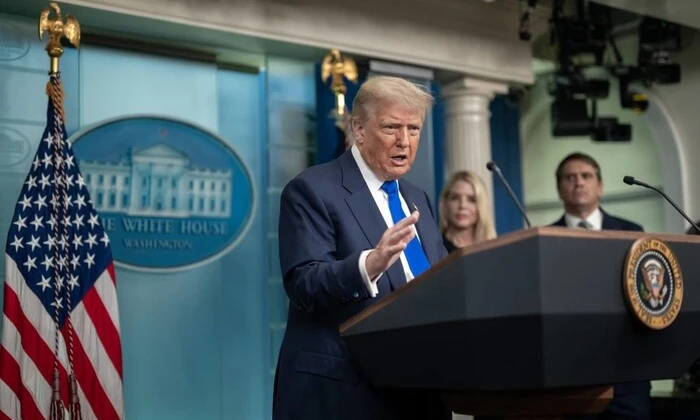
According to Главком: Former US President Donald Trump has commented on the negotiations between Russia and Ukraine, stating that the primary obstacle to a swift end to the conflict is the divergence in the parties' positions. He also declined to sign an agreement for Ukraine's post-war reconstruction, valued at approximately $800 billion. This decision has raised questions, given the ongoing war's severe human cost, with both sides reportedly losing around 25,000 people each month. The conflict, which began with Russia's full-scale invasion in 2022, has created one of Europe's most significant humanitarian and security crises in decades.
Trump, known for his political activism, previously claimed to have helped end eight wars. However, in this instance, he was unable to broker terms that would lead to a signed agreement. The former president emphasized that his goal was to save human lives, which he cited as the primary motive for his actions. He believes it is crucial to find pathways to peace despite the complexity of the situation.
A Focus on Immediate Threats
Furthermore, Trump argued that Europe should concentrate on the Russia-Ukraine war rather than other issues, such as Greenland. He stated that the island is important to the United States in the context of safeguarding national security against external threats. Therefore, the decision to reject the $800 billion deal could be part of a broader strategy aimed at focusing attention on immediate conflicts and dangers. This perspective often aligns with a foreign policy doctrine that prioritizes direct national interests.
"My goal is to save human lives" - Donald Trump
Trump's refusal to sign the Ukrainian reconstruction agreement underscores the complexities of international politics and the necessity of aligning the interests of all involved parties. The situation in Ukraine remains tense, and future steps by the United States could significantly influence the conflict's dynamics. The emphasis on the Russia-Ukraine war suggests that a potential future Trump administration would seek to adapt its foreign policy to address the most pressing challenges on the international stage.

Read also