Trump Enacts Tough New Sanctions on Russia with Bipartisan Backing in U.S. Congress

Sanctions Targeting Russia and Iran
According to Рубрика — Політика: On September 18, 2026, U.S. President Donald Trump signed into law a sweeping sanctions package aimed at Russia and Iran. The legislation, spearheaded by Senator Lindsey Graham, passed with strong bipartisan support in Congress. Its goal is to increase international pressure on Moscow by imposing stringent restrictions on the Russian economy, banking sector, and so-called 'shadow fleet.' Additionally, the law adjusts tariff rates on imports of Russian energy from the country’s largest buyers.
Key Provisions of the Legislation
Known as the Lindsey Graham Act, this bill was introduced to Congress in May 2025. A revised bipartisan version was presented to the Senate on July 15, 2026. The main measures include:
- Restrictions targeting Russia's 'shadow fleet' operations;
- Sanctions on Russia’s financial sector, including the Central Bank;
- Limits on major energy projects such as Yamal LNG and Arctic LNG 1, 2, and 3;
- Imposition of tariffs on Russian oil and gas imports that can reach up to 100%.
These tariffs are specifically applied to Russia’s five largest energy importers: China, India, Slovakia, Hungary, and Azerbaijan. The legislation garnered overwhelming bipartisan approval in both chambers of the U.S. Congress.
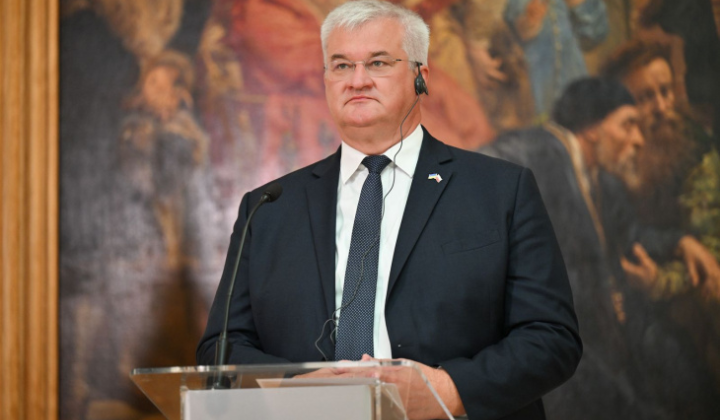
"A truly historic day. The Kremlin’s calculations have once again failed. Pressure on Russia will only intensify, and Putin’s hopes for weakening international support for Ukraine will not come to pass." Andriy Sybiha, Ukrainian Minister of Foreign Affairs
Ukrainian President Volodymyr Zelensky expressed gratitude to Donald Trump for signing the law. Andriy Sybiha further emphasized that the Lindsey O. Graham 'Sanctions on Russia and Iran Act' will increase pressure on Russia and those aiding its war against Ukraine. "With strong bipartisan support from both houses of Congress, this law sends a clear message: the aggressor will pay a steep price," the minister added. He also expressed hope for further decisive actions from European Union partners and other G7 nations.
This legislation marks a significant step in U.S. foreign policy, reinforcing its stance against Russia and Iran while highlighting the critical role of international cooperation in countering aggression. The introduction of stringent sanctions is expected to have a substantial impact on Russia’s economy, particularly concerning its military expenditures and key energy projects that are vital for funding. This move also reflects growing global concerns about regional security and could alter the dynamics of relations between Western countries and Russia.
The recent sanctions package not only targets Russia but also imposes significant tariffs on nations engaged in purchasing Russian energy. This legislation marks a crucial step in the U.S. strategy to curb Russia's economic capabilities. For a deeper understanding of how these tariffs could affect global energy markets, explore more about the new law on tariffs against countries buying Russian oil and gas.

Read also