Tensions Rise as Trump Eases Sanctions on Russia Amid Ukraine Conflict, Straining Ties with Zelensky

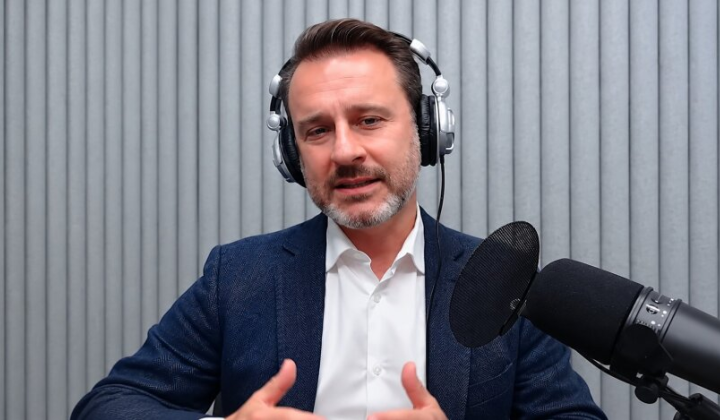
Insights from The Atlantic's Radio Atlantic Podcast
According to ХВИЛЯ: The Radio Atlantic podcast from The Atlantic delves into President Donald Trump's recent policies toward Russia and Ukraine. Topics include a new agreement allowing Russian diesel fuel imports, the rollback of sanctions, ongoing negotiations for an energy ceasefire, restrictions on the military satellite network Starshield, and the increasingly strained relationship between Trump and Ukrainian President Volodymyr Zelensky amid the ongoing war. Host Adam Harris, joined by Jonathan Lemire and Simon Shuster, analyzes Republican responses, potential future summits, and Europe’s growing push for independent security capabilities.
Last month, Congress imposed new sanctions on Russia, but President Trump signed an executive order exempting Russia from these measures. He also announced an agreement with Vladimir Putin to import Russian diesel fuel. Talks surrounding an energy truce-which would halt attacks on critical energy infrastructure on both sides-have been underway for about 18 months since Trump’s return to the White House, yet Russia has declined to accept this proposal. Meanwhile, Trump has progressively eased sanctions targeting Russia’s energy sector. Contrastingly, Ukraine has refrained from striking civilian targets, whereas Russia continues to inflict damage.
Frictions Between Trump and Zelensky
The podcast also touches on recent disruptions to Starshield, the military-grade version of Elon Musk’s Starlink system, which occurred last week in Ukraine. Musk denied involvement in limiting Starshield’s operations, attributing the decision to the U.S. government and Trump himself. Relations between Trump and Zelensky remain tense, with the U.S. president publicly suggesting Zelensky should be replaced. A notable controversy unfolded in February 2025 in the Oval Office, involving Trump pressuring Zelensky to provide damaging information on Joe Biden.
Trump has frequently sided with Putin, including during the Helsinki summit, and has invited the Russian president to the upcoming G20 summit near Miami later this year. Lindsey Graham, one of the strongest Republican supporters of Ukraine in Congress, passed away shortly after visiting Kyiv. Although Trump signed a sanctions package against Russia after Graham’s death, the executive order effectively grants Russia an indefinite exemption from these sanctions. Putin has also proposed a trilateral meeting with Trump and Chinese leader Xi Jinping in November to discuss a potential resolution to the Ukraine conflict.
The war between Russia and Ukraine has now lasted over four years, prompting European nations to reconsider their reliance on the U.S. for security and seek greater autonomy. Ukrainian President Zelensky emphasized this precarious situation: "If the United States officially sides with Russia, if these two countries unite, then of course, we will not win or withstand." Simon Shuster relayed Zelensky’s frustrations regarding Starlink’s blackout, quoting him: "Simon, we are not fools-we know what happened. We understand how Starlink works. And it just went offline."
Topics explored in the podcast include:
- The diesel fuel deal between Trump and Putin;
- The lifting of sanctions on Russia;
- Restrictions on Starshield’s operation;
- Washington’s diplomatic stance toward Kyiv;
- The response of European allies.
Key developments highlighted are the executive order removing sanctions on Russia, ongoing energy ceasefire talks, the Starshield service interruptions, the February 2025 Trump-Zelensky scandal, Lindsey Graham’s death, and preparations for summits in China and the G20. The positions are clear: Trump leans toward Russia, Zelensky insists on continued support for Ukraine, and European partners push for more independent security strategies.
This evolving situation and Trump’s decisions could significantly shape the future course of the Ukraine war and the dynamics between the U.S. and its European allies. In a period marked by growing tensions and the need for European security, it is crucial for allies to maintain unity and clearly define their stance on Russian aggression. These developments may prompt a reassessment of regional strategies and influence the extent of American assistance to Ukraine moving forward.
The ongoing geopolitical tensions are further complicated by recent developments in U.S.-Ukraine relations. As President Zelensky advocates for an energy ceasefire, the situation remains precarious with Russia's non-compliance. For a deeper understanding of these dynamics and the implications for Ukraine's security, explore our detailed coverage on Zelensky's recent discussions with U.S. officials.

Read also