How Trump's Reversal of Russia Sanctions and Cuts in Aid to Ukraine Could Shift the Course of the War

Controversy Surrounding Donald Trump’s Approach to Russia and Ukraine
According to ХВИЛЯ: President Donald Trump has faced intense criticism over his recent actions involving Russia and Ukraine. These include a controversial diesel deal with Vladimir Putin, lifting sanctions he had imposed on Russia, agreeing to an energy ceasefire, limiting military aid to Ukraine, and the broader political ramifications for U.S. relations with Russia, Ukraine, and their allies. Notably, Trump rescinded sanctions against Russia that he had introduced just weeks prior. Journalists Jonathan Lemire and Simon Shuster detailed these developments in a Radio Atlantic podcast.
Energy and Military Dimensions of the Conflict
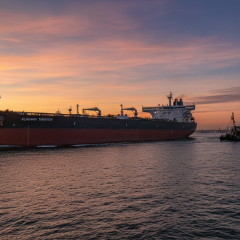
The surge in fuel prices has been largely attributed to Trump’s escalating conflict with Iran and restrictions on oil exports through the Strait of Hormuz. U.S. intelligence reports indicate that Russia has been providing Iran with targeting information to strike American assets and allied forces. During the summer, the Trump administration eased pressure on Putin concerning an energy truce and began exploring commercial opportunities with Russia. However, Putin firmly rejected the proposed energy ceasefire, which would have halted attacks on oil refineries and power plants.
Trump’s critics also point to restrictions imposed on Starshield-the military adaptation of Starlink-which have slowed connection speeds and hindered Ukraine’s ability to shoot down new Russian drones. These limitations are linked to decisions by the U.S. government and Trump himself, dismissing claims of a technical glitch. Following the death of Senator Lindsey Graham, a leading advocate for Ukraine and author of the sanctions legislation, Trump signed the sanctions bill but has not enforced it, effectively lifting sanctions on Russia indefinitely.
At a summit in China last November, Putin proposed that Trump help devise a plan to end the war without involving Ukrainian President Volodymyr Zelensky. Putin is also invited to the December G20 summit, which Trump will host at his Miami golf club. Zelensky has expressed concern that if the U.S. officially sides with Russia, Ukraine’s resistance will collapse. European nations have condemned the U.S. actions as a profound betrayal. Meanwhile, Trump appears to be deflecting blame for rising gasoline prices ahead of the U.S. midterm elections.
Zelensky has signaled willingness to halt attacks on Russian oil facilities if Putin honors his part of the agreement. Trump defends his approach by claiming the need to appease Russia to prevent it from aiding Iran in targeting U.S. troops. Both journalists and Zelensky characterize this stance as weak. Media speculation suggests Trump might end intelligence sharing or prohibit European countries from purchasing U.S. arms for Ukraine.
Zelensky has approved drone strikes on Russian airports only when civilian flights are not at risk. Persons close to Trump believe he still harbors resentment toward Zelensky over the first impeachment. Although reports have linked the White House to the decision to limit Starshield's capabilities, officials have denied this. Shuster and Lemire view Trump’s deal with Russia as one-sided. According to Shuster, Ukraine retains significant military advantages, but losing the U.S. as a steadfast ally places it in a precarious position.
“I would say this is the first time in American political history that the October surprise of a campaign is the president himself, who is betting on the Kremlin.”
Jonathan Lemire
These developments carry major political consequences for U.S. relations with long-time partners, especially in Europe. Given Trump’s efforts to improve ties with Russia, the situation could deteriorate further for Ukraine, which relies heavily on U.S. support in its fight against aggression. The unfolding events have the potential to reshape the global political landscape, impacting European security and the broader dynamic between the West and Russia.

Read also