Trump pressures Lithuania on opening ports for Belarusian potash, EU maintains sanctions


Trump Administration's Efforts on Belarusian Potash
According to ХВИЛЯ: The administration of Donald Trump is making efforts to persuade Lithuania to open the Klaipeda port for the export of Belarusian potash, despite the sanctions imposed by the European Union. This initiative aims to reduce the United States' dependence on Canadian potash and lower fertilizer costs for American farmers. An important aspect of this process is that starting in January 2024, Lithuania will take over the presidency of the EU Council, which may give it the opportunity to block the continuation of sanctions.
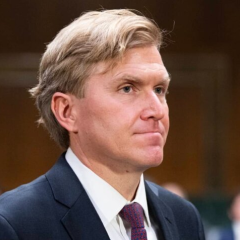
The EU sanctions prohibit EU ports from transshipping Belarusian goods, and they need to be renewed every 12 months. The U.S. special envoy for Belarus, John Cole, has been actively pressuring the Lithuanian government on this issue over the past year. Belarus controls about 20% of the global potash market, and approximately 80% of potash imports to the U.S. come from Canada. In August 2023, U.S.-Canada trade talks on potash failed, prompting the Trump administration to seek alternative sources.
Situation with Belarusian Potash Exports
Until the early 2010s, about 90% of Belarusian potash was exported through Klaipeda port. However, all 27 EU countries unanimously banned the import of Belarusian potash due to sanctions imposed in response to Russia's aggression in Ukraine in February 2022, in which Belarus played a significant role. In March 2023, Trump lifted some American sanctions on Belarus, particularly on the state-owned Belarusian Potash Company, made possible by agreements to release 250 political prisoners.
Lithuania and Latvia, where government coalition changes have also occurred, are receiving appeals from John Cole regarding the export of Belarusian potash through Baltic ports. However, Eastern European officials firmly reject U.S. proposals to ease sanctions. One Eastern European official remarked:
“They pressure politely, but we respond very clearly: hell no. If the Americans cannot learn from history, then we must stand our ground.”
A U.S. State Department representative emphasized, “The U.S. is seeking commercial opportunities that serve American economic interests and regularly discusses commercial prospects with allies and partners.” At the same time, he noted that “Belarus has recently shown constructive engagement with the United States.” According to the State Department representative, as President Trump stated, “The sale of Belarusian potash to the United States helps lower prices for American farmers and ranchers.” However, as a European official stressed, “there are many problems with this.”
The U.S. efforts to restore the export of Belarusian potash through Lithuania indicate America's strategic interest in ensuring stable fertilizer supplies, especially amid rising prices for potash from Canada. This approach is causing controversy in Europe, where many countries remain steadfast in their support for sanctions against Belarus, highlighting differences in views on the economic and political situation in the region. Given Lithuania's upcoming presidency in the EU Council, this issue could become an important test for European unity and solidarity amid new security challenges in the region.

Read also