Trump's Team Offers Russia Three Economic Incentives to Secure Partial Ceasefire Amid Stalled Talks

Economic Incentives Proposed for a Partial Ceasefire
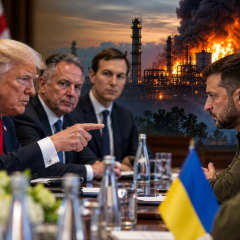
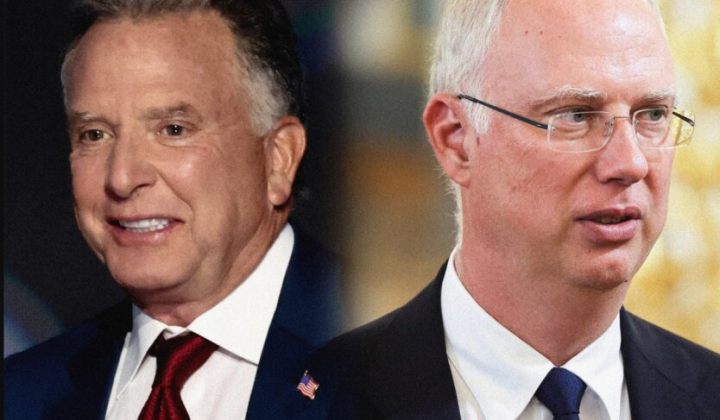
According to ХВИЛЯ: Special envoys representing Donald Trump, Steve Witkoff and Jared Kushner, have put forward three economic incentives aimed at encouraging Russia to agree to a partial ceasefire. Their proposals include:
- unfreezing billions of dollars in assets currently held by Western countries;
- allowing the sale of a stake in the Russian oil company Lukoil to a group of investors from the Middle East;
- granting Belarus permission to export potash fertilizers.
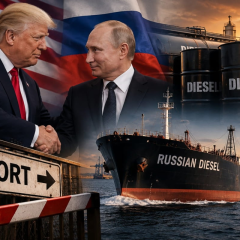
These discussions began in late September on the sidelines of the United Nations General Assembly but have since stalled following Trump's announcement regarding the purchase of Russian diesel fuel.
Ukraine's Demands and Ongoing Military Strikes
Last year, Washington proposed unfreezing up to $100 billion in assets for Russia, yet Moscow failed to make any reciprocal concessions. In response, Kyiv has set out its own conditions, demanding dollar-for-dollar compensation from the frozen assets and assurances of increased military support should the ceasefire be violated. On October 9, Kremlin aide Yuri Ushakov remarked that the Kremlin is "considering when these talks might resume."
Amid these diplomatic efforts, on October 9, Russia dropped five guided bombs on a residential area in Zaporizhzhia, killing at least 20 people, including three children. Ukrainian President Volodymyr Zelensky condemned the attack, highlighting the insufficient pressure on Moscow and calling for a full economic blockade to cut off Russia’s funding sources.
U.S. Secretary of State Marco Rubio also commented that negotiations have reached a "strategic stalemate on the front lines," underscoring the complexity of the situation.
As a result, U.S. diplomatic initiatives face significant challenges, compounded by continued Russian military aggression.
This ongoing impasse between the U.S. and Russia illustrates the difficulty of achieving peace amid active conflict. While the proposed economic incentives are intended to reduce tensions, Russia’s response and persistent attacks on Ukrainian territory suggest that meaningful dialogue remains elusive. As the conflict escalates, Ukraine’s demands for military assistance and accountability over frozen assets are likely to play a pivotal role in the future of negotiations.
As diplomatic efforts continue to unfold, the situation remains fluid, with Russia seeking to alleviate U.S. sanctions in exchange for a truce regarding energy supplies in the Black Sea. This development could significantly impact the ongoing negotiations and the stability of the region. For a deeper understanding of the potential implications of these negotiations, read more about Russia's demands and the broader context of the conflict here.

Read also