Tristan da Cunha: The Most Remote South Atlantic Island Known for Its Unique Wildlife and Marine Reserve

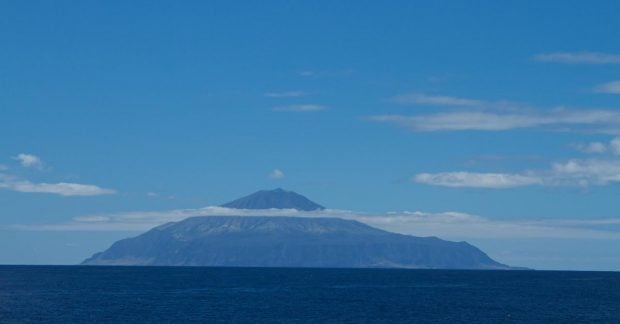
Discovering Tristan da Cunha Island
According to УНІАН — Туризм: Situated in the vast South Atlantic Ocean, Tristan da Cunha stands as one of the most isolated inhabited islands worldwide, with a small community of about 220 residents. The island’s remote location, over 2,700 kilometers from Cape Town-the nearest port-makes it accessible only by ship. The voyage typically lasts around six days, although it can extend up to two weeks. The closest mainland, South America, lies roughly 3,700 kilometers away.
The entire population of Tristan da Cunha shares just 11 family names, all living in the single settlement known as Edinburgh of the Seven Seas. The island’s amenities are minimal, featuring one main grocery store supplying essential imported goods like:
- flour
- coffee
- chocolate
- toilet paper
- wine
Additionally, there is a local pub called The Albatross. Tourism is highly restricted here, with no infrastructure to support large visitor numbers, preserving the island’s fragile environment.
Economy and Environmental Significance
The islanders sustain their economy primarily through exporting lobster to markets in Australia, New Zealand, the United States, and Europe. They also engage in agriculture, crafts, and conservation efforts. Tristan da Cunha is a British Overseas Territory, annexed by the United Kingdom in 1816 following Napoleon’s exile to Saint Helena. The archipelago includes three other main islands-Nightingale, Inaccessible, and Gough-all uninhabited.
The surrounding marine ecosystem is home to rare species such as humpback whales, sperm whales, dolphins, and blue sharks. The island’s shores support approximately 200,000 rockhopper penguins, over five million thin-billed prions, and nearly 300,000 subantarctic fur seals. In November 2020, a vast marine protected area covering nearly 700,000 square kilometers was established around the archipelago, becoming the largest such reserve in the Atlantic Ocean at that time.
Tristan da Cunha exemplifies the preservation of natural habitats and traditional lifestyles in extreme isolation.
Thanks to its limited facilities and strict tourism regulations, the island maintains its natural resources and rare ecosystem. This isolation fosters opportunities for sustainable tourism and biodiversity conservation, highlighting the critical importance of protecting these environments for future generations.

Read also