Ancient 2,500-Year-Old Bronze Device Discovered in Thracian Temple Ruins in Bulgaria

Significant Archaeological Discoveries in Bulgaria
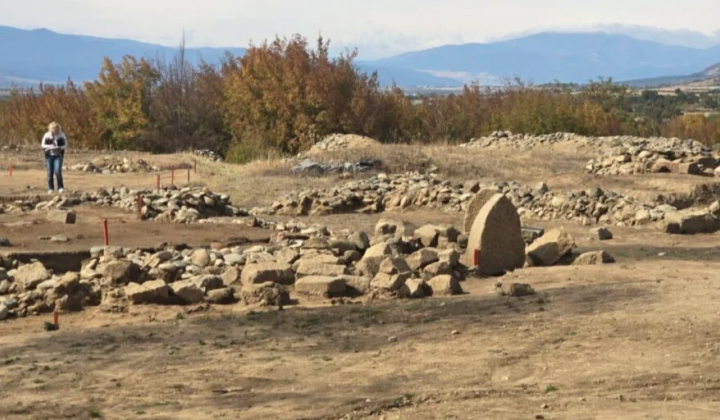
According to НВ — Техно: Archaeologists working near the village of Vasil Levski in Bulgaria have uncovered a bronze mechanism estimated to be around 2,500 years old within an ancient Thracian city. The artifact was found at the entrance to a temple complex dating back to the 6th-5th centuries BCE. This settlement is believed to have been the original capital of the Odrysian Kingdom, featuring monumental stone architecture, defensive walls, and religious buildings. The excavation site has been under the study of Associate Professor Kostadin Kisov for nearly three decades.
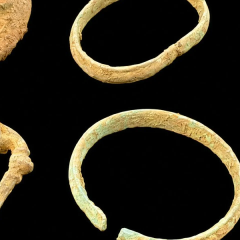
The discovered mechanism consists of a ring and four hooks with intricately crafted backward-facing teeth. Kisov suggests that it might have been used to suspend clay, bronze, or glass lamps, although no chains for hanging were found. An alternative theory connects the mechanism to fishing, based on the shape of the hooks' teeth. Kisov noted,
“The barbs on the hooks resemble fishing hooks, but their large size complicates the interpretation.”
He also added,
“Equipment of this scale might have been used in large rivers like the Maritsa or the Danube, or even in maritime settings.”
The Archaeological Complex and Additional Finds
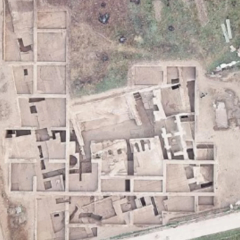
The archaeological site spans more than three hectares and includes a fortified citadel alongside early Thracian temple architecture. The location is sometimes called the "Golden City of the Thracians" due to its elaborately decorated roof tiles featuring multiple protective layers, including red and black coatings and a golden mineral pigment finish. Two architecturally similar buildings discovered on the site may have formed part of a large sacred complex. The second temple remains under investigation, and the deities worshiped there have yet to be identified.
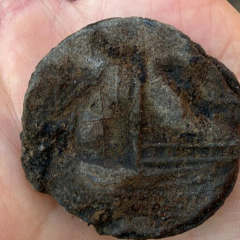
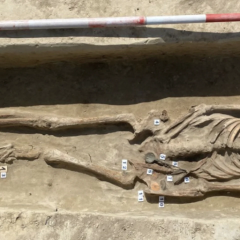
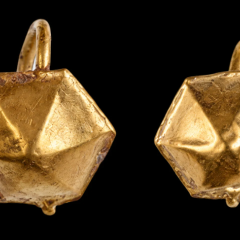
Additionally, the Regional Historical Museum of Stara Zagora reported the discovery of a child’s burial containing gold earrings and a coin from the reign of Roman Emperor Aurelian. The child was laid to rest with the head facing west and feet east. However, the family’s social status and the cause of death remain unknown.
This discovery highlights Bulgaria's crucial role in preserving rich archaeological records from ancient times. The bronze mechanism could shed light on Thracian daily life, technology, and religious customs. Ongoing excavations are expected to deepen our understanding of this ancient civilization and its influence on neighboring cultures. Meanwhile, the burial with golden ornaments offers valuable insights into the social hierarchy and cultural traditions of the period, providing important context for historians and archaeologists alike.
In light of recent discoveries in ancient Thracian sites, it is intriguing to note that just beyond Bulgaria's borders, a remarkable burial site featuring golden masks and military artifacts has been unearthed in North Macedonia. This find further highlights the rich archaeological heritage of the region and the interconnectedness of Thracian civilization across the Balkans.

Read also