Snow in May Hits Greece as Unseasonable Cold Sweeps Holiday Destinations

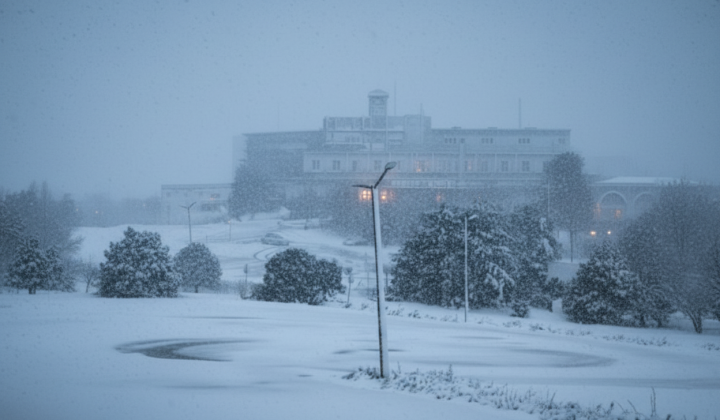
Unusual Weather Strikes Greece
According to Главком: In early May 2026, an abnormal weather event was recorded in Greece when a cold front delivered snow to mountainous and semi-mountainous areas. This was reported by the Ukrainian outlet Glavcom, citing Greekreporter. Snowfall occurred on Mount Parnassus and in the mountainous regions of the Peloponnese, where significant accumulations were observed.
Across northern and central Greece, daytime highs barely reached 12–14°C. On Mount Parnassus, located in central Greece, heavy snow was recorded, with snow cover reaching three to five centimeters at higher elevations. Additionally, intense snowfall was observed in the mountainous areas of Corinthia on the Peloponnese peninsula.
These unusual weather conditions drew attention both within Greece and internationally. On May 4, 2026, a tweet about the snow in Greece circulated on social media, further highlighting the anomaly of the event.
For context, on the same day in Ukraine, nighttime temperatures ranged from 3–8°C, with daytime highs of 14–19°C, and 20–25°C in the west and north. The cold snap in Greece serves as a striking example of how climate change can disrupt weather patterns across different regions.
The Need for Climate Change Monitoring
Greece's abnormal weather-particularly the May snowfall-is a key indicator of shifts in the climate system. Such events suggest that the duration and intensity of weather conditions in various regions are becoming increasingly unpredictable. This underscores the importance of tracking climate change and its effects on ecosystems and society.
The recent snowfall in Greece is not an isolated incident, as similar unseasonal weather has been reported in other regions. For instance, April's unexpected snow in Kyiv and other Ukrainian cities serves as another example of the unpredictable nature of spring weather this year. These occurrences highlight the broader implications of changing climate patterns, emphasizing the need for ongoing monitoring and research.

Read also