17th-Century Burial Complex Featuring Gold Coins from Kremenets Unveiled in Kyiv

Archaeological Exhibition Launch
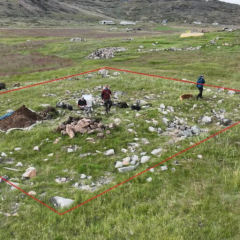
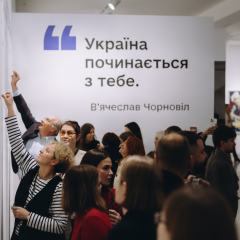
According to УНІАН — Туризм: On November 13, 2026, the National Reserve 'Saint Sophia of Kyiv' hosted the grand opening of a temporary archaeological exhibition titled "Eternity Paid in Gold… A 17th-Century Burial Complex from Kremenets." The exhibit showcases a rare burial site dating back to the mid-1600s, uncovered during excavations at the Mykolaiv Cathedral in Kremenets, located in the Ternopil region of Ukraine.
Highlights of the Exhibition
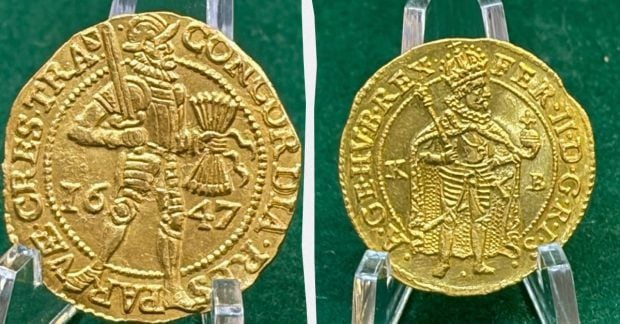
The centerpiece of the display is a collection of ten gold coins minted between 1550 and 1648, originating from the Netherlands, Austria, and Hungary. These coins serve as evidence of the high social standing of the individual buried within the complex. Excavations conducted between 2025 and 2026 revealed remains of approximately 200 people. Analysis of the findings showed that:
- around 40% of the remains belonged to men;
- about 40% were children;
- roughly 16% were women.
Most of the adult burials were individuals identified as cavalrymen, indicating a military or noble status.
Interestingly, the gold coins uncovered were not considered highly valuable at the time. As historian Vasyl Kovbasa explains,
“Large quantities of gold were brought from the New World, and grain was actually more valuable than gold. The Polish-Lithuanian Commonwealth was exporting food to the West while gold was flooding in... So burying 30 grams of gold with someone back then probably didn’t carry as much weight in material terms.”
In total, about 30 grams of gold were found within the burial, underscoring the social significance of gold in funerary customs during that era, despite its relatively low economic worth compared to essential goods like grain. This exhibition offers fresh insights into 17th-century burial traditions across Ukraine and provides a unique window into the historical context of the period.
The unveiling of this exhibition marks a significant advancement in preserving Ukraine’s cultural heritage. It not only presents important archaeological discoveries but also highlights the role of funerary practices in shaping historical narratives. Studying such burial complexes enriches our understanding of past social hierarchies and economic realities while promoting greater public engagement with Ukrainian history.

Read also