A New Spider-Web Dwelling Beetle Species Discovered in China That Remains Hidden Throughout Its Life

Unique Beetle Biology Unveiled
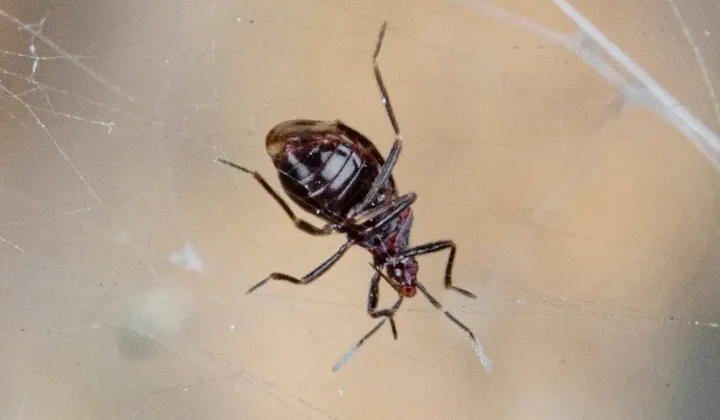
According to НВ — Техно: Scientists in China have identified a previously unknown beetle species that spends its entire life residing on spider webs. Named Heissophila sinica, this tiny insect was discovered by a research team led by Haoyan Xun from the China Agricultural University in Beijing. Their minuscule size allows them to stay concealed from the spiders whose webs they inhabit.
Ecological Importance and Vulnerability
These web-dwelling beetles, especially Heissophila sinica, predominantly inhabit tropical regions worldwide. Remarkably, about 80% of spider-web beetle species have been recorded exclusively within China, making their geographic range quite limited. This restricted distribution heightens their susceptibility to environmental changes that could threaten their survival. Researchers are actively studying this species' behavior and life cycle to better understand its interactions with spiders and its role within the broader ecosystem.
The discovery of Heissophila sinica enriches the existing knowledge about spider-web beetles, which play a significant part in tropical ecological communities. Investigating these tiny predatory insects offers valuable insights into the complex ecological relationships found in nature.
The identification of this new beetle species highlights the critical importance of biodiversity research, as each species contributes uniquely to our understanding of ecosystems.
Ongoing studies on Heissophila sinica may reveal adaptive strategies that enable these beetles to thrive in environments where other species struggle. Protecting such specialized insects is vital for maintaining ecological balance in tropical habitats, where their ecological roles may still be largely unexplored.

Read also