Largest Mosaic Floors Discovered in Central Anatolia, Turkey, Set for Preservation and Tourism Development

Archaeological Discoveries in İncesu
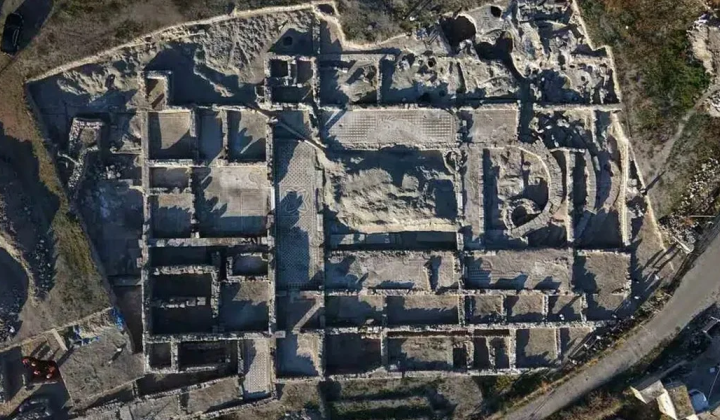
According to НВ — Техно: In the Turkish city of İncesu, located in Kayseri Province, archaeologists have uncovered extensive mosaic floors and structural remains dating back to the Roman and early Byzantine eras. These newly found mosaics represent the largest known mosaic complexes in Central Anatolia. The site reveals multiple phases of construction and occupation, offering valuable insights into the region’s rich historical tapestry.
The Importance of the Findings
Kayseri is home to a diverse range of archaeological sites linked to the Hittite, Roman, Byzantine, and Seljuk periods. The preserved mosaic floors are a testament to the sophisticated craftsmanship and architectural traditions of late antiquity. In response to these discoveries, the Kayseri municipality has partnered with Turkey’s Ministry of Culture and Tourism to implement protective measures and promote the site as a cultural tourism destination.
Protection plans include:
- Installing covers over the excavation area to shield it from environmental damage;
- Developing tourist facilities;
- Opening the site to public visits;
- Linking the archaeological site with the İncesu City Museum.
Dr. Memduh Büyükkılıç, the Mayor of Kayseri, visited the excavation and described Kayseri as an 'open-air museum,' emphasizing the critical role of preserving these relics for future generations.
“These remains must be safeguarded for the generations to come,” Mayor Büyükkılıç stated.
Previously, in the western Turkish city of Adramytteion, archaeologists uncovered a Roman villa featuring vibrant mosaics, frescoes, and advanced drainage systems, further highlighting the region’s rich ancient heritage. The villa, dating back approximately 2,000 years, underscores the deep historical significance embedded throughout Turkey’s landscape.
The discoveries in İncesu highlight the vital role archaeology plays in understanding the history of a region that served as a significant cultural and commercial hub in antiquity. Cooperation between local authorities and the Ministry of Culture and Tourism aims not only to preserve these invaluable artifacts but also to enhance tourism infrastructure, which could bring economic benefits to the area. Such efforts also foster community awareness about the importance of protecting cultural heritage and its contribution to shaping local identity.

Read also