Unique Terracotta Sarcophagus Featuring Silenus Discovered in Turkey; Pristine Stone Sarcophagus Unearthed in Croatia

Significant Archaeological Finds in Attuda
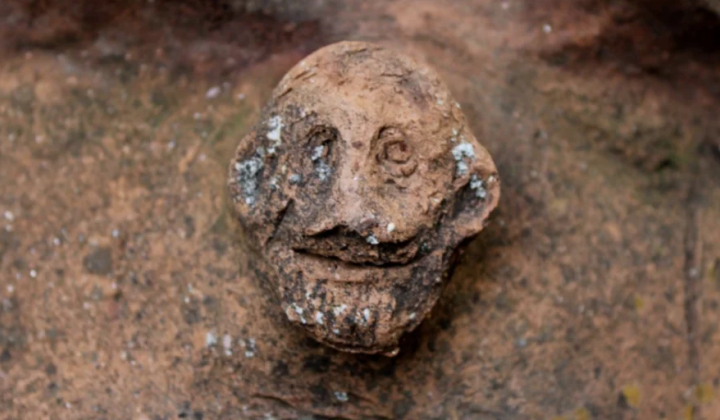
According to НВ — Техно: In the ancient city of Attuda, located in Turkey's Denizli province in the west, archaeologists have uncovered a terracotta sarcophagus from the Roman era, dating back to the 1st–2nd centuries AD. This discovery stands out as a rare example of regional funerary art, blending local customs with Dionysian symbolism, notably depicting Silenus, a mythological companion of the god Dionysus.
The sarcophagus is crafted from reddish clay containing mica and limestone fragments, measuring approximately 55 to 60 centimeters in diameter. Its design features raised bands and horizontal handles reminiscent of sarcophagi found in Laodicea, Hierapolis, and Trapezopolis. The intact lid, about 33 by 30.5 centimeters, showcases a sculpted human face. The Silenus head sculpture is 4.8 centimeters tall, characterized by a bald forehead, prominent round eyes, a broad nose, deeply carved lips, and a short beard.
Additional terracotta findings in Attuda include another Silenus head discovered in the city’s necropolis. The figure of Dionysus and his entourage played a significant role in the religious and social life of Attuda’s inhabitants.
Remarkable Discovery in Cavtat
In the summer of 2026, a rare stone sarcophagus of the Salonitan type, dating from the late antique period (4th–6th centuries AD), was found in the coastal town of Cavtat, Croatia. Weighing five tons, this sarcophagus was excavated three meters underground within the necropolis of the Roman colony Epidauros.
Produced in the workshops of Salona, the capital of Roman Dalmatia, this sarcophagus is particularly valuable because it remains completely untouched and shows no signs of relocation, offering archaeologists a pristine glimpse into burial practices of the time.
The sarcophagus unearthed in Attuda highlights the crucial role of archaeology in uncovering the cultural and religious customs of ancient civilizations.
The fusion of local traditions with Greco-Roman mythology reflects the rich cultural exchanges and interactions among different peoples during this era. Meanwhile, the discovery of the Salonitan sarcophagus in Croatia enriches our understanding of Roman funerary architecture and rituals, opening new avenues for scholars researching the heritage of this region.

Read also