35 Migrants Apprehended in Varėna District While Attempting to Enter Lithuania from Belarus

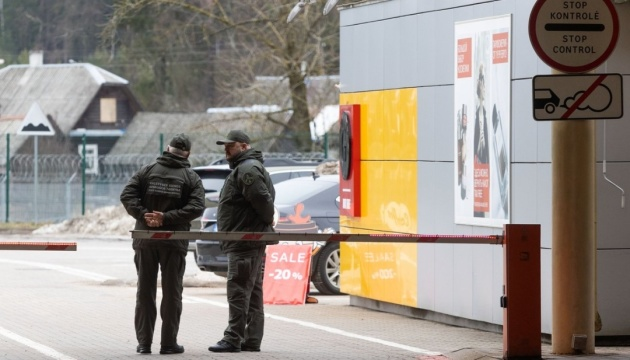
Mass Detention of Migrants in Varėna District
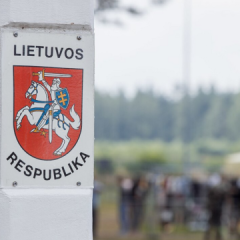
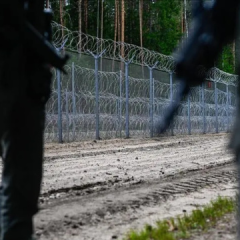
According to Укрінформ — Мігранти: On Thursday evening, authorities intercepted 35 migrants within the Čepkėliai Nature Reserve area in Varėna District, as they tried to cross into Lithuania from Belarus. The group crossed the border near the village of Katra. The operation involved the border service helicopter, police canine units, and law enforcement officers. The detainees were men estimated to be between 20 and 30 years old. Among them, 11 foreigners presented valid documents, while the rest were undocumented. The migrants identified themselves as citizens of Afghanistan and Iraq.
Ongoing Migration Challenges
By Friday morning, 29 of the migrants had been returned to Belarus following individual assessments of their situations. Interviews with five others were still underway. One migrant required medical attention due to health complaints and was taken to a healthcare facility. This incident is part of a larger pattern, as Lithuanian border guards prevented over 1,600 unauthorized border crossings from Belarus in 2025 alone, with a total of 1,661 illegal entries recorded at unauthorized points.
Since the onset of the migration crisis, Lithuania has denied entry to approximately 26,200 undocumented migrants. The surge of migrants arriving in Eastern EU countries began in 2021, with Western nations blaming the Minsk regime for orchestrating the crisis. Border tensions remain high, highlighted by the discovery in August 2025 of a tunnel dug by migrants near the Latvian-Belarusian border at the Silene border guard station in Latvia-an unprecedented event in the region.
In response to security concerns, the Lithuanian government has also enacted a ban preventing citizens of Russia and Belarus from purchasing property near strategic sites.
This case highlights the persistent challenge of illegal migration, a critical issue for Lithuania and its Baltic neighbors.
Since the migration crisis began, Baltic governments have implemented various measures to tighten border security and introduced new regulations on property ownership near sensitive areas. The situation remains volatile, and future government policies will likely shape migration trends in the region.
As Lithuania grapples with ongoing migration issues, neighboring countries are also facing similar challenges. For instance, Estonia has reported an increase in illegal migration and is enhancing its border security measures in collaboration with Finland. This regional trend underscores the need for comprehensive strategies to address the complexities of migration across Eastern Europe.

Read also