Experts Propose Halting Age-Based Scrapping of Ukraine's Freight Cars

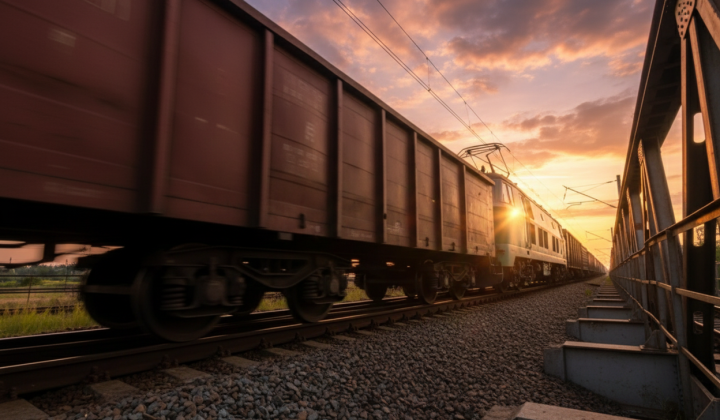
The Crisis of Ukraine's Aging Freight Car Fleet
According to Главком: Ukraine's wartime conditions have intensified the long-standing crisis of its worn-out freight car fleet. A significant portion of these cars have now exceeded their standard operational lifespan, raising serious concerns among industry specialists. To prevent a looming shortage of rolling stock and a subsequent spike in transport costs, experts argue for abandoning the automatic scrapping of cars based solely on age. They advocate instead for implementing a European-style system of individual technical assessments for each vehicle.
While the deterioration of the railcar fleet is a chronic issue, the war has brought its critical nature into sharp focus. The problem is particularly acute for the railway sector, which faces immense pressure as alternative transport routes are severely limited. The poor condition of this critical infrastructure impacts the entire national economy, creating significant risks for the country's logistical chains.
A Call for Modernized Regulatory Approaches
Current regulatory frameworks, including those established by Order No. 647, are now viewed as outdated and misaligned with modern needs. Andriy Zablovsky, a Ukrainian business ambassador and economic expert, emphasizes the need for change:
"Instead of scrapping, we must conduct an individual technical assessment of each railcar."
This approach would help preserve the existing fleet in proper condition and avert a shortage, as
"a shortage always means higher prices."
Rapidly replacing these cars would require massive investment, which is currently unavailable. Therefore, finding a balance between safety, the stability of transport operations, and the gradual renewal of rolling stock is crucial. Experts believe the priority should be not only fleet modernization but also ensuring the uninterrupted flow of goods amid the current challenges.
Serhiy Vovk, Director of the Center for Transport Strategies, stresses the importance of adopting new industry approaches. This is essential not only to improve the state of the car fleet but also to support the national economy during these difficult times.
The urgency of this issue underscores the need for immediate action to ensure the efficiency of Ukraine's logistics, a vital component of the wartime economy. Reviving and modernizing the freight car fleet could be a critical step in supporting not just the railways, but the country's broader economic stability. Implementing new management practices for rolling stock can mitigate the risks of scarcity and rising freight costs, which is indispensable for business continuity in Ukraine today. Ukraine's railways are a lifeline for its economy, making their operational capacity a matter of national priority.
The potential consequences of the current crisis extend beyond immediate logistical challenges. Experts warn of a looming post-war shortage of railcars, highlighting the urgent need for a comprehensive review of existing scrapping regulations. For a deeper understanding of the implications and necessary reforms in the railway sector, explore how these changes could shape the future of Ukraine's freight transportation in the face of ongoing challenges.

Read also