Zelensky Seeks German Taurus Missiles to Target Russian Launch Sites

Ukraine’s Military Aid and the Role of Taurus Missiles
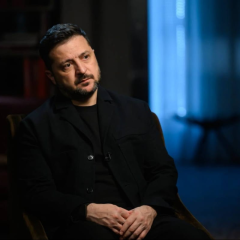
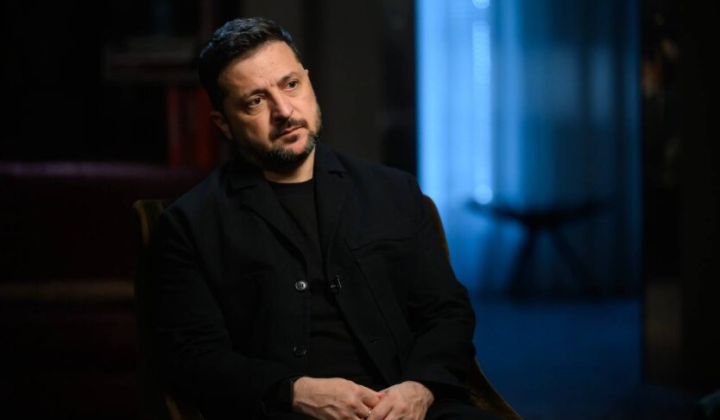
According to ХВИЛЯ: Ukraine is actively pursuing the acquisition of German Taurus missiles to effectively neutralize Russian missile launchers. President Volodymyr Zelensky expressed this strategic priority during an interview with the German broadcaster ZDF and on his Telegram channel, emphasizing the critical role such weaponry plays amid the ongoing conflict with Russia.
He highlighted the high cost of the IRIS-T air defense system, which has gained global recognition due to the war, with prices ranging from $600,000 to $1.5 million. Zelensky also mentioned that Germany faces long waiting periods of 10 to 20 years for these air defense systems, and the price of missiles has surged dramatically as a consequence of the conflict.
“Thanks to this war, IRIS-T has become the world’s second most renowned air defense system after the Patriot, with prices now between $600,000 and $1.5 million,” Zelensky stated.
The president further noted that the United States has been unable to supply Ukraine with anti-ballistic missiles for its air defense, which has compelled Kyiv to seek alternative solutions. “Why do we want to order the Taurus missiles? Because when the Americans couldn’t provide us with anti-ballistic missiles, our only option is to destroy Russian launchers,” Zelensky explained. These launch sites have caused significant harm and casualties among Ukrainians, while Ukraine lacks sufficient means to defend against them.
International Support and Historical Background
Zelensky also reflected on the bipartisan support Ukraine receives from the United States, particularly emphasizing that Democrats have been vocal about their backing during election periods. He expressed gratitude to both Democrats and Republicans but stressed the importance of strong congressional commitment to financial aid and arms supplies for Ukraine.
Recalling key events, Zelensky reminded audiences of Russia’s 2014 annexation of Crimea and the subsequent outbreak of hostilities in the Donbas region. “People often assume we’ve always received help, but that’s incorrect. Support only began after Russia’s full-scale invasion, despite eight years of occupation,” he said. He also pointed out that at the war’s outset, Russian forces seized not only Crimea but also parts of Zaporizhzhia, Kherson regions, including Kherson city, and areas in Kharkiv.
The president reaffirmed Ukraine’s determination to defend its sovereignty and dignity, saying, “We may have less territory, fewer resources, and limited weaponry, but our dignity surpasses many. We will do everything to end this war-and end it with dignity for our nation.” The conflict has now stretched beyond eight years, with Ukraine resolute in protecting its interests.
Ukraine’s reliance on international military assistance, particularly from Germany and the United States, underscores the vital role foreign support plays in countering Russian aggression. The request for Taurus missiles not only highlights a critical weapons need but also reflects a strategic effort to dismantle enemy capabilities. Zelensky’s comments on U.S. elections further indicate that American political backing remains a key factor influencing future military aid and financial support to Ukraine.
As Ukraine seeks to bolster its defense capabilities, understanding the differing strategies between Kyiv and Washington becomes crucial. The recent remarks by President Zelensky highlight not only the urgency of acquiring advanced weaponry but also the complexities of international support in this conflict. For a deeper insight into how these strategies diverge and their implications for the ongoing war, read more about the varied approaches of Ukraine and the US.

Read also