Europe Faces Pressure as Ukraine Seeks Help to Export Millions of Tons of Grain Amid Transit Challenges

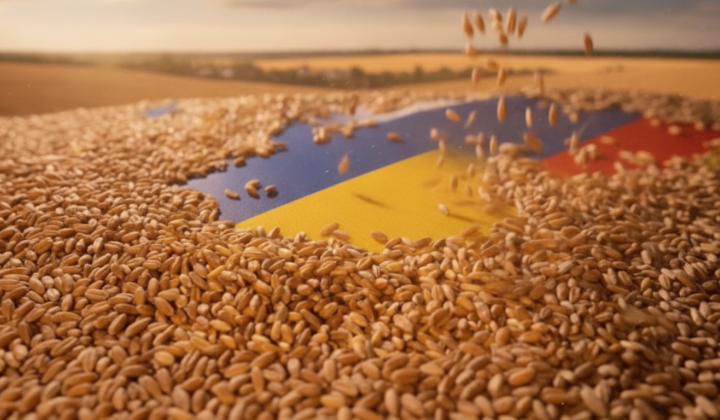
Challenges Surrounding Ukrainian Grain Exports
According to ХВИЛЯ: Ukraine has urgently called on European nations to assist in exporting millions of tons of grain trapped due to the ongoing blockade in the Black Sea. This week, Ukraine’s Minister of Agrarian Policy and Food, Taras Vysotsky, traveled to Brussels to discuss the crisis with European counterparts. However, Poland and Romania-countries with vital infrastructure for grain transit-have declined requests to increase the volume of Ukrainian agricultural exports passing through their territories. Romania’s Deputy Prime Minister and Agriculture Minister, Barna Tánczos, emphasized that "the interests of our own farmers remain the priority," noting that Romanian ports are overwhelmed by an excess of Ukrainian grain combined with low water levels in the Danube River.
With attacks on ports and vessels ongoing for a third consecutive month, Ukraine faces severe obstacles in moving its grain abroad. Experts estimate that if the blockade continues, up to 35 million tons of grain could remain stranded within Ukraine by the end of 2023. Minister Vysotsky described the situation as "extremely critical." Ukraine requires approximately €1.1 billion to cover the increased transportation costs, yet Poland has no plans to alter its stance on the transit of Ukrainian agricultural goods. Anna Szymańska, a spokesperson for Poland’s Ministry of Infrastructure, confirmed:
"We do not intend to implement any changes aimed at increasing the transit of Ukrainian agricultural products."
Exploring Alternative Export Routes
Meanwhile, Romania has signed a memorandum with Ukraine to simplify border logistics and enhance rail connections. Still, as Tánczos pointed out, "everyone understands that we cannot simply double the number of trains or expand roads, railways, and port capacities overnight. What we have is what we have." The European Commissioner for Agriculture, Janusz Wojciechowski, acknowledged the gravity of the problem but stopped short of committing to specific solutions, stating,
"We need to resolve this issue."
Ukraine is also investigating alternative export corridors via the Netherlands and Germany. According to the U.S. Council on Foreign Relations, the decline in grain exports from Ukraine and Russia could impact more than 17% of global grain trade. European farmers are feeling the ripple effects as well; Romanian farmer Iulia Blagu reported difficulties in storing and exporting her harvest due to the glut of Ukrainian grain. Ukrainian grain exports have dropped by a factor of three, highlighting the dire state of the agricultural sector.
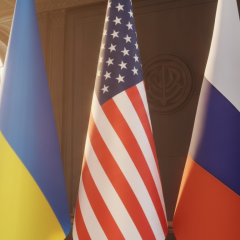
In an effort to ease tensions, Kyiv has proposed to Moscow a mutual cessation of strikes on civilian infrastructure in the Black Sea, which could potentially help de-escalate the situation. Nonetheless, given the persistent challenges, Ukraine must identify practical measures to facilitate agricultural exports and bolster its economy.
The blockade of Ukrainian grain shipments carries substantial repercussions beyond the country’s borders. Amid a global food crisis fueled by multiple factors, restrictions on Ukraine’s ports threaten to cause grain shortages on international markets. This jeopardizes food security for many nations reliant on Ukrainian grain imports, underscoring the broader significance of resolving this export deadlock.
As the situation escalates, Ukraine is also adapting its strategies to maintain agricultural exports. Following recent Russian attacks on Black Sea ports, the country has revised its payment terms for these exports, aiming to facilitate smoother transactions amidst ongoing disruptions. For more details on these changes and their potential impact on the agricultural sector, visit the latest updates on Ukraine's agricultural export policies.

Read also