Ukrainian Vladimir Zhuravlyov Detained in Croatia Amid Ongoing Extradition Appeal to Germany

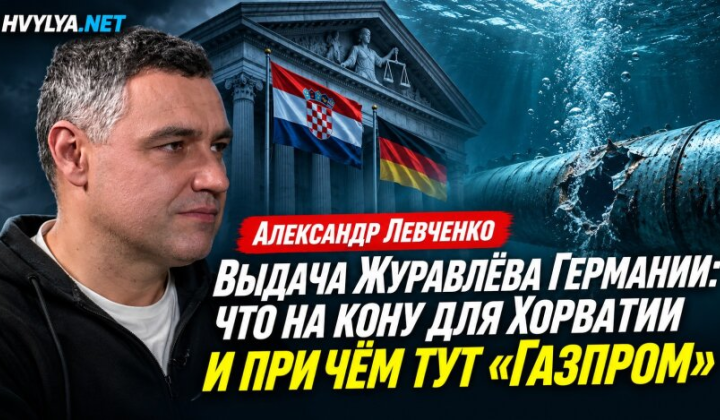
The Case of Vladimir Zhuravlyov
According to ХВИЛЯ: Since August 2026, Ukrainian national Vladimir Zhuravlyov has been held in custody in Pula, Croatia, following a European arrest warrant issued by Germany. He is suspected of involvement in the sabotage of the Nord Stream gas pipeline. Previously, a Polish court rejected Germany's extradition request, citing Ukraine’s right to self-defense. Currently, Croatia’s High Criminal Court is reviewing an appeal related to Zhuravlyov’s extradition.
In October 2025, Poland’s Prime Minister Donald Tusk expressed a controversial opinion, stating that Europe's problem is not that the Nord Stream pipeline was destroyed, but that it was built in the first place. He also backed the Polish court's decision to deny Zhuravlyov’s extradition to Germany, arguing that prosecuting and transferring him would not serve justice.
The Croatian State Attorney General, Tuđuric, told HRT-4 television that the extradition issue is politically charged. It’s important to note that Germany remains one of Ukraine’s key European allies, providing significant support amid the Russian invasion. However, concerns linger about potential Russian influence and Gazprom’s role, given that the Russian energy giant funds three private military companies accused of war crimes against Ukrainian civilians.
Legal Assessment of Zhuravlyov’s Actions
Legal proceedings surrounding Zhuravlyov hinge on whether his actions constitute a war crime. The Polish court examined the case through the lens of international humanitarian law, recognizing that damaging private commercial infrastructure during armed conflict does not automatically qualify as a war crime. As an EU member and sovereign nation, Croatia holds authority to independently evaluate claims for international protection and must enforce European arrest warrants if legal criteria are met.
Key factors influencing the legal classification of Zhuravlyov’s actions include:
- The legal status of the targeted infrastructure;
- Whether the site had military significance;
- The extent of its contribution to military operations;
- Compliance with international humanitarian law standards.
The case remains highly complex and contentious, raising serious concerns about Zhuravlyov’s safety, especially considering Gazprom’s involvement.
Against the backdrop of the ongoing war in Ukraine-where major cities including Kyiv face relentless missile and drone attacks-questions about justice and Zhuravlyov’s extradition continue to attract international scrutiny.
This situation highlights the intricate challenges of applying international justice amid armed conflict and geopolitical interests. Poland’s refusal to extradite may be seen as a move to uphold Ukraine’s sovereignty and its right to self-defense. However, this stance also risks straining relations with Germany and other European partners. As legal proceedings advance, adherence to international humanitarian law and human rights principles becomes increasingly critical amid the escalating conflict in Ukraine.

Read also