Living in Bangkok: A Ukrainian’s Perspective on the City’s Culture, Climate, and Contrasts

Experiencing Life in Bangkok
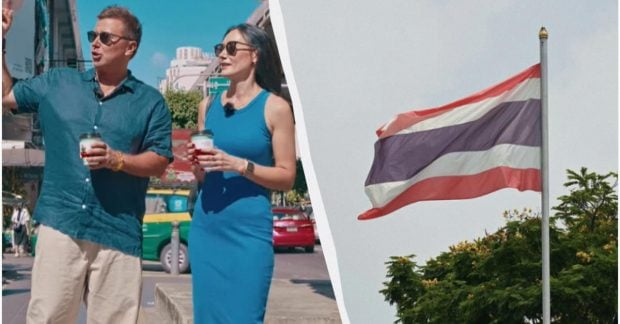
According to УНІАН — Туризм: Illyana, a Ukrainian who settled in Bangkok seven years ago, shares her insights into daily life in Thailand’s bustling capital. She describes Bangkok as a city of striking contrasts, where ultramodern skyscrapers, luxury restaurants, rooftop bars, and condos with pools coexist alongside historic neighborhoods, temples, canals, the vibrant Chinatown district of Yaowarat, and bustling street food stalls. This blend creates a unique urban landscape unlike any other.
Climate Challenges and Cultural Nuances
The city’s climate is consistently hot, with temperatures typically rising above 30°C. While air conditioning is powerful in underground metro stations and office buildings, the sudden shifts in temperature can be quite intense. The rainy season brings heavy downpours that can flood entire areas within hours, causing significant disruption. Illyana warns about dengue fever, a serious health concern; she recalls a colleague who was hospitalized for nearly two weeks after a mosquito bite.
Central to Thai culture is the philosophy of 'sabai-sabai,' meaning to stay calm and not stress. Locals often avoid blunt refusals or public criticism, adhering to the social norm of 'saving face,' which Illyana highlights as a cornerstone of everyday interactions. Despite glamorous venues, Bangkok still struggles with waste management issues and infestations of rats and cockroaches.
The local cuisine is renowned and widely accessible, featuring popular dishes such as:
- Tom Yum soup
- Pad Thai noodles
- Som Tam (spicy green papaya salad)
These meals are available almost everywhere. Renting a modern condo with amenities like a pool and gym typically costs over $1,000 USD per month. For a comfortable solo lifestyle, monthly expenses in Bangkok average around $3,000 USD. Laundry services at self-service laundromats range from 30 to 50 baht per load.
Healthcare standards in Bangkok are high. Illyana shares that her surgery cost close to 700,000 baht, though her insurance covered the expenses. She considers the city generally safe but advises against getting involved in local disputes. Before moving to Bangkok, Illyana spent three years in Germany, where she struggled to adapt to strict store hours, scheduled waste sorting, and mandatory radio fees. For instance, shops close on Sundays and pharmacies shut by 7 p.m.
Illyana confidently states, 'If given the choice again, I would pick Bangkok to live in.'
Her story illustrates how Bangkok’s blend of modernity and tradition creates a distinctive urban experience. Despite challenges like high living costs, infrastructure shortcomings, and health risks such as dengue fever, the city’s rich culture and quality medical care remain compelling reasons for many expatriates. Illyana’s decision to stay reflects the enduring appeal Bangkok holds for those willing to embrace its complexities.

Read also