Ukrainian Drone Strikes Slash Russian Refinery Capacity by 30%, Damaging Nine Major Plants

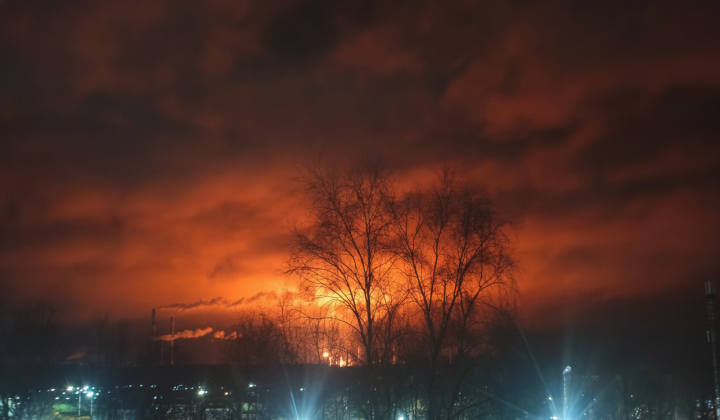
Impact of Ukrainian Drone Attacks on Russian Oil Refineries
According to Рубрика — Суспільство: Since late October 2026, Ukrainian drone assaults have significantly disrupted Russia's oil refining sector, reducing processing capacity by roughly 30%. Out of Russia's 35 largest refineries, nine have suffered operational setbacks due to these strikes, directly affecting the nation's overall daily refining output.
The combined nominal daily capacity of the affected refineries is about 300,000 metric tons, equivalent to 2.2 million barrels. Russia's total oil refining capacity stands near 930,000 metric tons per day. By the end of October 2026, Russian refineries were processing approximately 700,000 metric tons of crude oil daily, or around 5 million barrels. The actual decline in crude oil processing could be as high as 200,000 metric tons per day.
Damaged Facilities and Energy Security Concerns
The plants impacted by these attacks include key refineries located in Ryazan, Yaroslavl, and the Volga region. These disruptions have become a critical factor in Russia's energy security landscape. Despite the challenges, Russia continues to supply diesel fuel to international markets under an export agreement with then-U.S. President Donald Trump.
Additionally, from January to September 2026, Ukrainian Defense Forces reported neutralizing 326,900 Russian military personnel. The highest monthly toll occurred in September 2026, with 46,230 casualties recorded. These figures highlight the prolonged and intense nature of the ongoing conflict in the region.
The reduction in Russian refinery output caused by Ukrainian drone attacks could severely impact Russia's domestic energy stability, potentially leading to fuel shortages within the country. At the same time, Russia's sustained diesel exports indicate efforts to maintain economic ties internationally despite setbacks in its petroleum industry. These developments underscore the complex situation in the region and the critical role energy security plays for both parties involved in the conflict.

Read also