Drone Strikes by Ukraine Ignite Explosions and Fire at Rostov-on-Don Oil Terminal

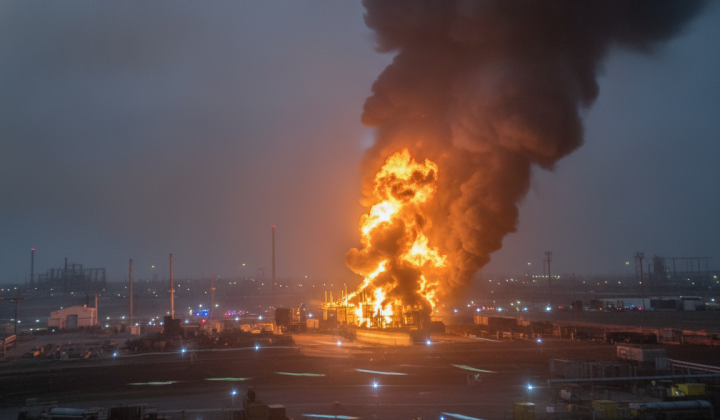
Drone Assault Causes Major Fire at Rostov-on-Don Fuel Terminal
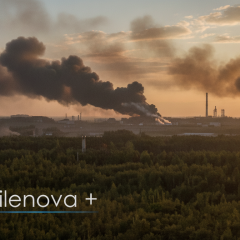
According to ХВИЛЯ: In the early hours of October 10, Ukrainian drones launched an attack on an oil fuel terminal in Rostov-on-Don, triggering multiple explosions and a large-scale fire. This terminal operates as a branch of the Novoshakhtinsk Oil Products Plant and handles an annual capacity of 3.5 million tons of petroleum products. Governor of the Rostov region, Yuri Slyusar, confirmed the drone strike and reported a significant blaze at the site.
The fire was subsequently detected by NASA's FIRMS satellite monitoring system. In addition to the terminal, the attack damaged a railway bridge, halting train traffic in both directions, and affected two vessels docked in the Azov port. It is notable that this facility had previously been targeted on July 9, 2026.
Strike on Oil Refinery in Ukhta and Official Responses
The drone operation in Rostov followed a recent strike by Ukrainian defense forces on the Lukoil-Ukhtaneftepererabotka refinery located in Ukhta, Komi Republic. This refinery has a capacity of approximately 4.2 million tons per year and produces gasoline, diesel fuel, aviation kerosene, and fuel oil.
“We will continue to burn their refineries.” - Ukrainian President Volodymyr Zelenskyy
President Zelenskyy and senior Ukrainian officials criticized a diesel supply agreement announced by former U.S. President Donald Trump that aimed to introduce Russian diesel to the global market, calling it an inadequate solution.
The key infrastructures affected by these recent attacks include:
- The fuel terminal in Rostov-on-Don
- A damaged railway bridge
- Two ships in the Azov port
- The Lukoil refinery in Ukhta
With combined capacities of 3.5 million tons per year for the Rostov terminal and 4.2 million tons per year for the Ukhta refinery, these strikes target vital nodes within Russia's energy supply chain. Such attacks on strategic facilities have the potential to disrupt Russia's petroleum product distribution significantly.
These operations reflect Ukraine's intensified military efforts amid the ongoing conflict, signaling possible escalations and provoking anticipated reactions from Russian authorities. Understanding the broader geopolitical stakes, these assaults underscore the fragility of critical energy infrastructure in times of war.
The recent drone attack on the Rostov-on-Don oil terminal is part of a broader strategy by Ukrainian forces to target critical energy infrastructure. This follows a significant strike that impacted over 86% of the capacity at Lukoil’s Perm refinery, showcasing the ongoing challenges faced by Russian energy operations. For more details on how these attacks are reshaping the energy landscape, see our coverage of the devastating impact on Lukoil’s refinery operations.

Read also