Ukrainian Drone Strike Triggers Massive Fire at Russia’s Ust-Luga Oil Terminal

Drone Assault Targets Ust-Luga Port
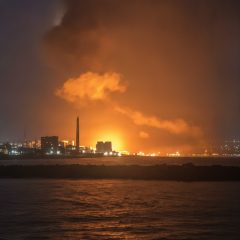
According to ХВИЛЯ: In the early hours of November 11, Ukrainian attack drones launched a strike against the Ust-Luga port located in Russia’s Leningrad region. The assault ignited a large-scale fire at the oil terminal, visible from as far away as Estonia. Russian rapid-response fire units were unable to prevent the damage, leading to significant consequences for the facility. Leningrad Governor Alexander Drozdenko confirmed that several drones hit the port area, causing the blaze. Three workers sustained injuries but none are in life-threatening condition.
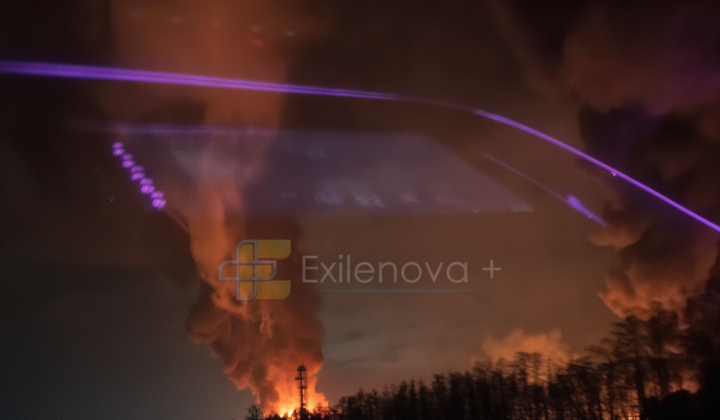
The attack also forced an emergency shutdown of a transformer substation. Footage released by the Ukrainian monitoring channel Exilenova+ showed the fire spreading over a wide area, visible from many kilometers away, and suggested that oil tankers may have been targeted. NASA’s FIRMS satellite system detected multiple heat anomalies at the port and surrounding waters. The strike also disrupted operations at Saint Petersburg’s Pulkovo Airport, leading to temporary restrictions on flight arrivals and departures.
Key Role of the Ust-Luga Port
Ust-Luga stands as Russia’s largest Baltic Sea port and plays a crucial role in exporting energy resources. Situated just over 100 kilometers from Saint Petersburg, the port handles roughly 700,000 barrels of oil shipments daily. According to Reuters, Ust-Luga terminals facilitate the export of:
- oil
- petroleum products
- liquefied gas
- coal
- fertilizers
In 2025 alone, nearly 33 million tons of petroleum products were exported through this port.
This recent strike continues a pattern of Ukrainian drone attacks aimed at Russian ports and oil refining facilities. On August 14, drones damaged gas condensate fractionation and hydrocracking units at the Novatek-Ust-Luga complex, while another assault on the port occurred on September 1. Reuters reports that attacks on Russian refineries resumed in late October, disabling about 30% of the country’s oil processing capacity.
It’s important to note that in October, the US and Russia declared a brief energy truce. Despite this, Russian forces continued offensive operations against Ukraine’s energy infrastructure throughout that period. Governor Drozdenko additionally mentioned that approximately 150 drones were reportedly shot down over the region, underscoring ongoing combat activity there.
The Ust-Luga port strike highlights the increasing use of Ukrainian drone warfare and the vital economic importance of this facility for Russia. Source: Ukrainian monitoring channel Exilenova+
Given the series of attacks on energy targets, these actions could significantly disrupt Russia’s energy exports, potentially affecting global energy markets. Such operations also indicate a risk of escalation in the conflict, as both sides persist with active military engagements despite temporary ceasefires and diplomatic efforts.
The recent drone strike on the Ust-Luga port is part of a broader trend, as evidenced by similar attacks targeting critical infrastructure in the St. Petersburg and Leningrad regions. These operations have not only impacted energy exports but also disrupted logistics and communication networks. For a deeper understanding of the ongoing situation and its implications, read more about the recent strikes on key facilities in the area here.

Read also