Ukrainian Drones Cut Off Crimea: Traffic on the 'Novorossiya' Highway Plunges by Two-Thirds

Drone Upgrades and a Shift in Battlefield Tactics
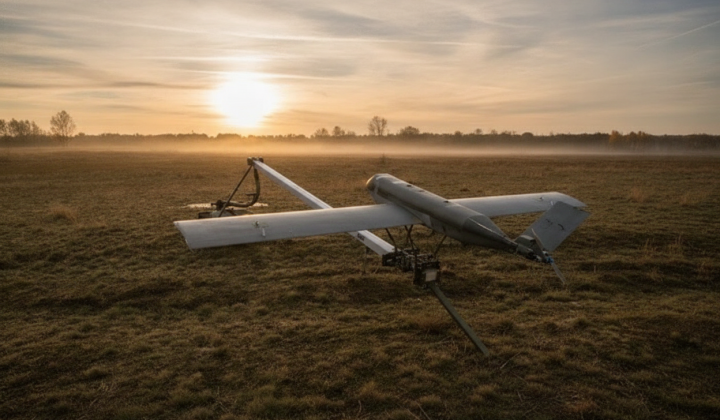
According to Главком: Ukraine’s military leadership is aggressively upgrading its medium-range strike drones, equipping them with autonomous targeting capabilities and greater resistance to electronic jamming. These new drone models can now hit targets up to 150 kilometers beyond the front line. This leap in performance is driven by the adoption of unified battle management software, a stable connection through SpaceX’s Starlink network, and persistent weaknesses in Russia’s air defense systems.
According to Ukrainian military intelligence, strikes against Russian fuel tankers surged by 40% in May compared to the previous month. Meanwhile, the number of destroyed air defense launchers more than doubled. These attacks have created a severe fuel shortage in occupied Crimea, a situation confirmed by Sergei Aksyonov in a Telegram post. Russia’s logistics have taken a heavy hit, as the only highway linking Crimea to mainland Russia now sits under constant fire. Traffic on the 'Novorossiya' motorway has dropped by over two-thirds in the past month, a direct result of the escalating drone campaign.
In addition, Ukrainian drones have struck four more bridges in occupied territories that served as key connections to Crimea. The pro-Kremlin military blog Rybar acknowledged that these strikes are directly undermining Russia’s ability to supply fuel to its forces on the southern front. Defense Minister Mykhailo Fedorov described the situation as a logistics lockdown for the Russian army. Vladimir Saldo also announced temporary restrictions on truck traffic along the highway.
Fallout for Russian Military Operations
Robert Brovdi, commander of Ukraine’s Unmanned Systems Forces, emphasized the goal of fully isolating Crimea. Attacks on bases and headquarters of elite Russian units are being carried out using 'Rubicon' drones, along with 'Darts,' 'Hornets,' and FP-2 models. Russia is scrambling to adapt by dispersing its logistics, installing protective netting, repositioning air defenses, and deploying additional artillery. However, the effective range of Russian drones is limited to just 15 kilometers, with a maximum flight distance of 30 kilometers-severely hampering their battlefield performance.
In April, President Volodymyr Zelenskyy reported a fivefold increase in orders for medium-range drones compared to 2025. While the front line has remained largely static over the past two years, Ukraine’s new drone technology and tactical edge could begin to shift that balance. Mykola Bielieskov, a research fellow at the National Institute for Security Studies, cautioned that
'expectations of a breakthrough should be tempered until the contours of the front line change.'
The modernization of Ukraine’s strike drones and their effectiveness in targeting Russian supply routes signals a clear shift in battlefield dynamics. The rising number of attacks and destruction of key infrastructure could significantly hamper Russia’s ability to sustain its military operations in the region, especially in Crimea. Still, the Russian army is working to adapt to these new challenges, indicating that the conflict will continue and could see further escalation.
The ongoing evolution of Ukraine's drone warfare strategy is crucial to understanding the current situation in Crimea. As military tactics become more sophisticated, it is essential to explore how these developments are categorized. For a deeper insight into the three distinct types of drone warfare that Ukraine has identified, read more about it here.

Read also