Scientists Identify Two Previously Unknown Bandicoot Species, Including One Extinct for Over a Century

Revealing New Bandicoot Species
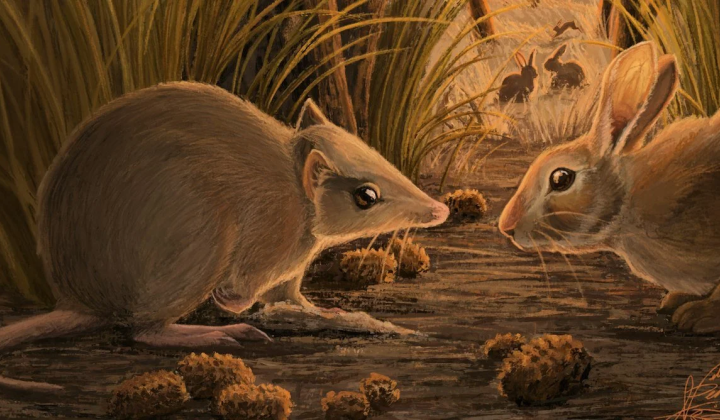
According to НВ — Техно: After a decade-long investigation of museum specimens, biologists have uncovered two previously unidentified species of marsupial bandicoots. Their findings were published in the Australian Journal of Taxonomy. Among these discoveries is a small brown bandicoot from South Australia that has been extinct for about 100 years. The other species is a New Guinean bandicoot, which had been mistakenly classified as a subspecies of another animal until now.
This extensive study involved detailed examination of hundreds of historical museum samples from Europe, the United States, and Australia. Researchers combined DNA analysis with skull measurements to trace the evolutionary lineage of short-nosed bandicoots. These small omnivorous marsupials, roughly the size of rabbits, have elongated snouts and powerful legs adapted for digging burrows. Native to Australia and New Guinea, many bandicoot populations have suffered severe declines or disappeared entirely due to the introduction of predators and habitat destruction following European settlement.
Expanding the Known Range of Bandicoots
The research also revealed that the quenda bandicoot, previously thought to inhabit only western Australia, actually had a broader distribution. Museum specimens confirmed their presence on Kangaroo Island and around Adelaide, expanding the understanding of their historical range. These insights not only enhance knowledge of marsupial diversity but also highlight the dedication of scientists to studying and conserving threatened species.
These discoveries underscore the value of museum collections as vital repositories of information about species that have vanished or face extinction. Understanding bandicoot diversity offers important clues about ecological shifts in the region and supports the development of conservation strategies to protect remaining populations. The study emphasizes the urgent need to preserve natural habitats to maintain biodiversity for future generations.

Read also