UK Convenes 35-Nation Talks on Strait of Hormuz Crisis, Excluding the US

International Talks on the Strait of Hormuz Impasse
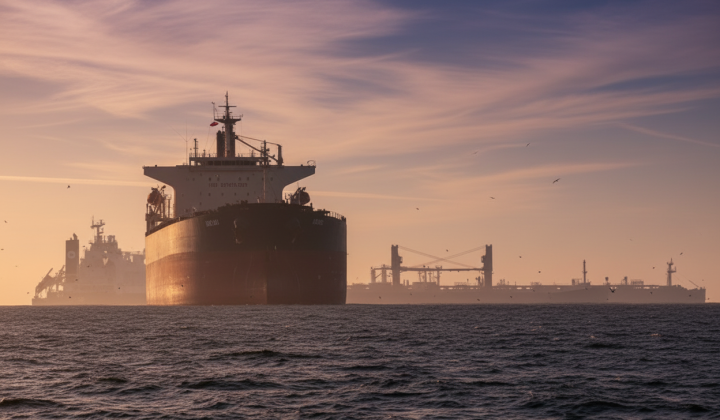
According to Главком: The United Kingdom has initiated negotiations involving 35 nations to address the blockade of the Strait of Hormuz, a critical global chokepoint for oil shipments. Notably, the United States has not been invited to participate. The situation is severe, with approximately one thousand vessels currently trapped due to a partial blockade imposed by Iran in retaliation for strikes by the US and Israel. Iran's naval forces, which maintain control of the waterway, have declared the strait 'will remain closed to enemies.'
Coordinated Efforts to Restore Maritime Traffic
These talks form part of a joint initiative by the UK and France aimed at restoring navigation through the strategically vital strait. The meeting will bring together countries from across the globe, including:
- European nations
- Australia
- Japan
- Canada
- South Korea
- The United Arab Emirates
- Nigeria
Estonian Defense Minister Hanno Pevkur highlighted a key point of friction, stating,
NATO allies lack a clear understanding of what specific support the United States is requesting.
The UK's leadership in these negotiations signals a growing role for European powers in managing geopolitical crises, particularly as US influence in the region appears to wane. The blockage of ships in the Strait of Hormuz threatens to severely disrupt global oil supplies, making these discussions crucial for the economic security of numerous nations. The outcome will determine whether stability can be restored and normal operations resumed for one of the world's most important trade routes.
As the UK leads discussions to alleviate the blockade in the Strait of Hormuz, the geopolitical landscape continues to shift. In a related development, the UK has permitted the US to utilize its military bases for potential operations against Iran. This decision underscores the complexities of international alliances in the region and highlights the varying approaches to security and diplomacy. For more insights into this evolving situation, see how these military arrangements could impact the ongoing crisis in the context of regional tensions.

Read also