UK Commits £61 Million to Launch Robotic Mission Clearing Space Debris Between 2029 and 2032


UK's Groundbreaking Contract to Remove Space Junk
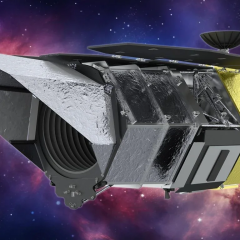
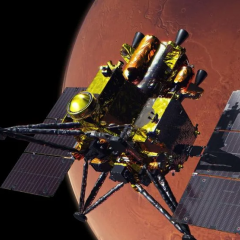
According to НВ — Техно: The United Kingdom has secured a £61 million (approximately $81 million) contract to deploy a robotic spacecraft designed to clear two defunct satellites from Earth's orbit between 2029 and 2032. Led by the company ClearSpace UK, this mission involves an autonomous robotic interceptor that will locate, capture, and direct the obsolete satellites to re-enter the atmosphere, where they will burn up. This effort aims to curb the growing threat of space debris accumulation and prevent the dangerous Kessler syndrome-a chain reaction of collisions generating further debris.
The Growing Hazard of Orbital Debris
According to estimates from the European Space Agency, there are between 35,000 and 50,000 pieces of debris larger than 10 centimeters currently orbiting Earth, including at least 3,500 inactive satellites. Traveling at speeds exceeding Mach 47, this debris poses a significant risk to operational spacecraft. The Kessler syndrome describes a domino effect where collisions create thousands of fragments, escalating the risk of further impacts and making Earth's orbit increasingly hazardous.
International space law holds countries accountable for satellites registered under their flag. The upcoming interceptor launch will take place from the SaxaVord spaceport, located in the Shetland Islands off northern Scotland. Equipped with computer vision and autonomous navigation, the robotic vehicle will seek out and capture two non-operational satellites, then deorbit them to safely burn up over the ocean.
The mission has yet to receive an official name, with a public naming contest currently underway. Humorous suggestions like "Spacey McSpaceface" have already sparked community interest. This UK-led initiative contributes to global efforts to manage space debris and maintain safety in Earth's increasingly crowded orbital environment.
Deploying robotic technology to tackle space debris highlights the critical role of international collaboration in addressing environmental challenges beyond our planet.
As space missions multiply worldwide, projects like this mark an essential step toward ensuring the sustainable and secure use of outer space for future generations.
As countries around the world intensify their efforts in space exploration and debris management, the UK's initiative marks a significant step in addressing orbital hazards. Similarly, the UAE is making headlines with its ambitious mission to the asteroid belt, aiming for a landing on 269 Justitia by 2036. This parallel endeavor highlights the global commitment to advancing space technology and ensuring a safer environment for future missions. To learn more about the UAE's upcoming journey, check out the details in our article on their eight-year expedition to the asteroid belt here.

Read also