Iran's Supreme Leader Khamenei Unconscious: Health Status and Events in Qum

Mojtaba Khamenei's Health Condition
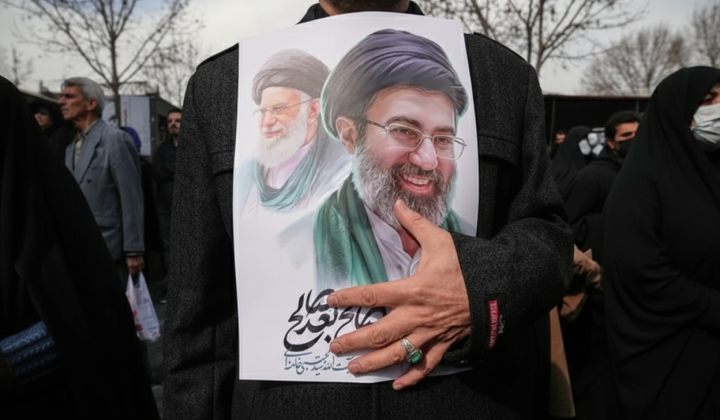
According to Главком: Iran's Supreme Leader, Mojtaba Khamenei, is currently unconscious and receiving medical treatment in the city of Qum, located approximately 140 km south of Tehran. This development follows a series of tragic events within his family. Mojtaba's father, Ali Khamenei, was killed on February 28, and his body is currently being prepared for burial. April 8 will mark 40 days since Ali Khamenei's death, a significant mourning period in Shia Islam that is likely to be a pivotal moment for both the family and the nation.
It has been reported that Mojtaba Khamenei sustained minor injuries, and Iran's Ministry of Foreign Affairs has confirmed the Supreme Leader was wounded. In a statement, Mojtaba Khamenei remarked,
"I have joined the ranks of warriors who have sacrificed their lives"
, indicating his dedication to the cause. His official confirmation as Supreme Leader occurred on March 8, when Iran's Assembly of Experts formally elected him to the position. However, according to available information, he is currently 'unable to participate in any decision-making by the regime', a situation that could significantly impact the country's political landscape. The Supreme Leader holds ultimate authority over Iran's foreign policy and military, making his incapacitation a critical state matter.
Political Repercussions
Recall that Ali Khamenei became the target of a joint American-Israeli strike on February 28, an action likely linked to his influential role in Iranian politics. The situation surrounding the Khamenei family and Mojtaba's health continues to cause concern among the Iranian populace and the international community.
The condition of Mojtaba Khamenei and his capacity to perform the duties of Supreme Leader could have serious consequences for Iran's political stability. In the context of the family tragedy and heightened international tensions, monitoring the situation's evolution is crucial. The absence of clear leadership may exacerbate internal divisions and affect the country's foreign policy, particularly given the ongoing regional tensions between Iran and its adversaries.
As the situation unfolds, questions arise about the legitimacy of Iran's new leadership, particularly regarding the health of Mojtaba Khamenei. Recent statements from international figures, including Trump, have cast doubt on his viability as Supreme Leader. For a deeper understanding of the implications surrounding this critical moment in Iranian politics, see how doubts about his existence are influencing regional dynamics.

Read also