Drone Warfare in Ukraine: Starshield Restrictions, European Aid, and the Breakdown of Peace Talks

In-Depth Review of the Ukraine Conflict on The Long Game Podcast
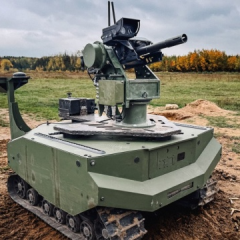
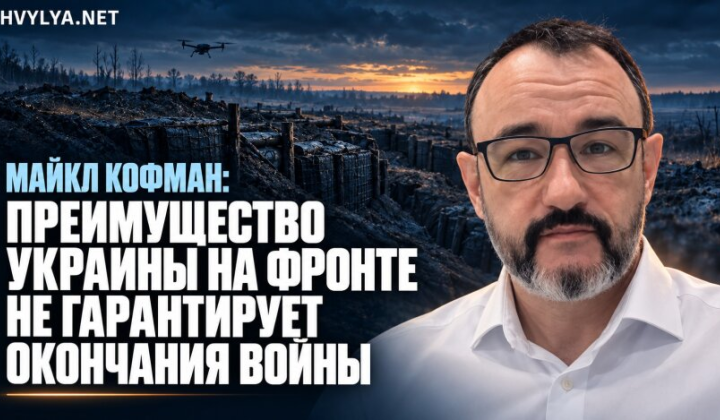
According to ХВИЛЯ: The Long Game podcast, featuring expert voices like Jake Sullivan, John Feiner, and Michael Kofman from the Carnegie Endowment, provided a detailed examination of the ongoing conflict in Ukraine. The discussion highlighted the evolving role of drone warfare, the impact of SpaceX’s service limitations, Europe’s financial and military assistance, and the widening gap between Russia’s negotiation demands and its actual battlefield achievements. A significant focus was placed on Russia’s strategy, which now involves intensified attacks on civilian infrastructure alongside an increase in drone production.
Michael Kofman emphasized that the war has unfolded in distinct phases. Despite Russia’s numerical superiority, it has struggled to adapt its tactics effectively. He noted,
“This advantage is likely temporary. In conventional warfare, numerical superiority rarely guarantees long-term success.”
Russia faces substantial irreversible losses, nearly matching its recruitment levels, preventing any real increase in combat readiness.
Escalating Bombardments and Western Backing
Since autumn 2022, Russia’s strategic bombing campaign has dramatically intensified, causing an 85% rise in civilian casualties compared to September 2025. The attacks target residential areas, commercial centers, and critical infrastructure, aiming to isolate Ukraine by disrupting key points such as the Danube ports and Odessa.
The podcast also covered the recent week-long restrictions on Starlink and Starshield services, which slowed drone speeds to around 100 miles per hour, complicating their control. Kofman remarked,
“These limitations cost lives because interceptor drones reliant on Starshield became ineffective.”
Although the restrictions were lifted overnight last weekend, their disruptive effects had already impacted Ukrainian military operations.
Kofman further stressed the crucial role of Western support, stating, “Ukraine’s continued resistance depends heavily on the combined efforts of multiple Western nations.” Europe has issued €90 billion in bonds to fund Ukraine’s defense over the next 18 months. Meanwhile, Russia continues to receive military supplies and ammunition from China and North Korea.
Peace negotiations between Ukraine and Russia remain largely symbolic. Kofman expressed skepticism, saying, “I don’t believe Moscow intends to make any real concessions; these talks are mostly for show.” He also pointed out a noticeable shift in U.S. policy toward Russia, raising concerns about the future scope of support for Ukraine.
This conflict has become a war of attrition. Kofman warns, “Unless there’s a significant change in external material aid to either Russia or Ukraine, this war could drag on into 2027.” Current assessments suggest no imminent ceasefire, and any localized pauses in fighting do not promise lasting peace.
The podcast’s analysis underscores the complexity and prolonged nature of the war in Ukraine. Despite Russia’s superior numbers, its inability to improve tactics and heavy losses have stalled progress. Conversely, sustained Western aid remains a vital lifeline for Ukraine, highlighting the importance of international cooperation in this crisis. With peace prospects uncertain, ongoing resource depletion threatens to extend the conflict indefinitely.
The ongoing conflict in Ukraine has reached a complex impasse, as highlighted by Stephen Walt's recent analysis. He examines the current stalemate and suggests various potential avenues for resolution, shedding light on the intricate dynamics at play. Understanding these insights could provide valuable context to the evolving situation discussed in our latest coverage. For a deeper exploration of this critical juncture, see Walt's assessment of the deadlock in the Ukraine war.

Read also