The Ukraine Conflict in 2024: Combat Developments, Drone Warfare, and the Impact of Prigozhin's Rebellion

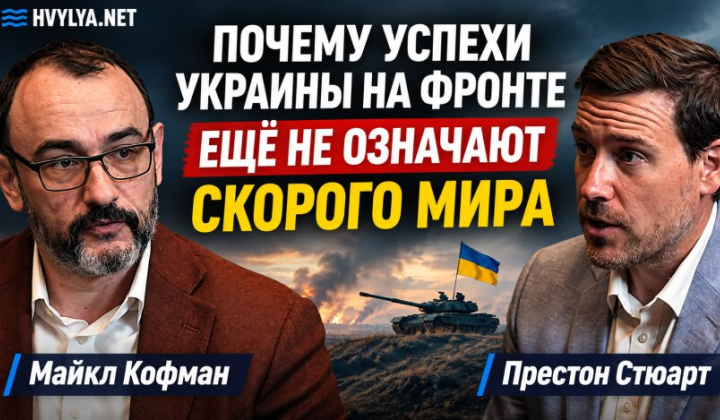
Insights from Lex Fridman Podcast Episode 504 on the War in Ukraine
According to ХВИЛЯ: In the 2024 episode 504 of the Lex Fridman Podcast, Lex Fridman engaged with experts Michael Kofman and Preston Stewart to analyze the ongoing war in Ukraine. Their discussion covered the evolving battlefield dynamics from 2022 through 2026, focusing on drone usage, military operations in eastern and southern Ukraine, challenges faced by Russian forces, and the repercussions of Yevgeny Prigozhin's 2023 mutiny. Now in its fifth year, the war has seen 2023 emerge as a pivotal period in ground combat effectiveness.
Kofman highlighted that,
"I believe last year marked a turning point. For Ukraine, this year is likely the most successful in terms of ground combat since the summer offensive of 2023."
The summer 2023 Ukrainian counteroffensive was noted as the most productive ground operation since the conflict began. Russia launched extensive drone strikes targeting critical infrastructure in the autumn of 2022. Key conflict zones remain concentrated in:
- Eastern Ukraine,
- Southeastern regions including Donbas, Luhansk, Donetsk, Zaporizhzhia, and Kherson oblasts,
- Kharkiv and Sumy areas.
The prolonged battle for Bakhmut lasted from August 2022 until May 2023. During this siege, the Wagner Group employed prisoners as frontline assault troops. Its leader, Yevgeny Prigozhin, died in a plane crash in 2023 following his attempted rebellion.
This conflict has had far-reaching effects on international politics and military strategy. Russia has intensified its use of drones, particularly FPV (first-person view) drones, reportedly deploying between 8,000 and 10,000 daily. Kofman remarked,
"My estimate is that one side can expend approximately 8,000 to 10,000 FPV drones each day, not including other tactical UAVs."
Ukrainian drones are responsible for around 80% of battlefield losses, while Russian forces persist with 'Wagnerization'-the mass recruitment of prisoners for assault units.
Kofman also drew attention to the economic toll of the war, stating, "Russia allocates 44% of its state budget and 9–10% of GDP to the conflict." Meanwhile, Ukraine benefits from Western military aid, financial support, and intelligence sharing. He added,
"Ukraine has proven its resilience and is expected to endure through this winter. However, the economic damage remains uncertain."
Despite these hardships, both sides appear capable and determined to sustain the war until at least 2027.
The frontlines remain active, with Ukrainian localized offensive actions continuing into 2026. Kofman emphasized,
"This war will leave a lasting mark on both nations."
Military tactics and technologies are evolving rapidly, with strategic adaptations occurring every three to four months. Stewart stressed the complexity of the conflict, noting,
"This isn’t a simple game with shared rules and a whistle after 60 minutes. Each side pursues different objectives."
This podcast discussion underscores the persistent intensity of the Ukraine war and its significant influence on global affairs. As both sides vie for strategic advantage, the ongoing Western support for Ukraine combined with Russia’s economic challenges will likely shape how this conflict unfolds and its broader implications for regional and international stability.

Read also