Ukraine's Military Ombudsman Details Critical Army Issues: Mobilization of Unfit Personnel and Rotations

Statistics on Service Member Complaints
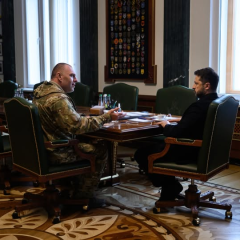
According to ХВИЛЯ: In an interview with RBC-Ukraine, Military Ombudsman Olha Reshetylova provided detailed statistics on service member complaints, addressing problems with mobilization, troop rotations, and communication. She noted that her office receives an average of 66 complaints daily, with the most significant portion concerning personnel missing under special circumstances. The ongoing full-scale war has placed immense strain on Ukraine's military administration, making the efficient handling of such grievances critical.
Reshetylova emphasized that her office's decisions are mandatory for military units to implement. Complaints about the actions of Territorial Recruitment and Social Support Centers (TRSCs) constitute a minor share of the total. Currently, the Ombudsman's Office, in cooperation with the General Staff and the Ground Forces, is investigating an incident at one military unit where approximately 2,000 individuals, likely unfit for service, were reportedly sent.
Issues with Rotations and Service Terms
Olha Reshetylova also stated that the military suffers its greatest losses during rotations from one position to another.
"Currently, we incur the greatest number of losses during rotations from position to position. There were situations where families appealed for soldiers to be withdrawn from their positions. And when assault troops finally reached them, some soldiers began refusing to leave, believing it safer to remain in their dugouts," she said.
Regarding terms of service, Reshetylova remarked:
"Clear service terms should not be expected without strengthening mobilization. First, there must be increased accountability for draft evaders, and only then - increased accountability for Self-Withdrawal from Combat (SZhCh)."
She also stressed that 'most cases of SZhCh are not due to bad commanders, but due to the fear of death.'
On ensuring communication, the Military Ombudsman highlighted the importance of maintaining contact between service members and their families. 'If a service member is on the front lines for a long time, provide a connection with their family by any means. Record voice messages via radio link, suggest the family write a letter and send it with logistical deliveries,' she emphasized.
As part of reforms, the Ombudsman's Office, together with the Ministry of Defense, is working to digitize the process of transferring service members' documents. 'A service member's document package should not travel by mail or be delivered by carrier pigeons for weeks - all of this should be digital,' Reshetylova noted.
Furthermore, the Defense Minister's team plans to conduct an internal audit of the Ukrainian military to determine who holds which positions, what their duties are, and how effectively each role is utilized. 'When a service member in the rear receives less than a security guard in a supermarket, it is clear this is unacceptable,' she summarized.
Overall, the situation in the Ukrainian military requires urgent resolution of many problems, particularly those related to mobilization, rotations, and communication, which affect the effectiveness of service members in performing their duties. The Ombudsman's comments underscore the pressing need for reforms in the management and support system for personnel, which could significantly impact the morale and combat capability of Ukrainian forces. It is crucial for the relevant authorities to respond to these challenges and work to eliminate them to improve service conditions and reduce losses within the army ranks.
As the military navigates these pressing concerns, the implications of recent policy changes become increasingly evident. Notably, the Ukrainian military is moving towards a system where soldiers will no longer have the option to choose their post-mission assignments. This shift, explained by the Ombudsman, highlights the urgent need for streamlined operations amidst the ongoing challenges. To learn more about these new regulations and their potential impact on service members, read our detailed coverage on the restrictions regarding assignment choices.

Read also