New Study Points to Northeast Scotland as the True Origin of Stonehenge’s Altar Stone

Investigating the Origins of Stonehenge’s Altar Stone
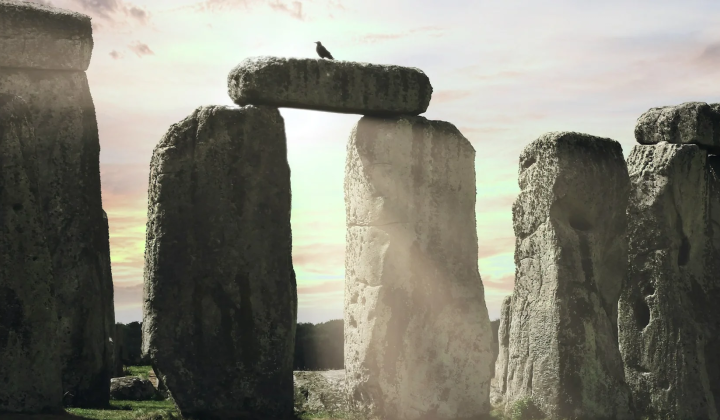
According to НВ — Техно: A team of British geologists from the University of South Wales and Aberystwyth University has completed an in-depth geological examination of Stonehenge's Altar Stone, refining our understanding of its composition and source. Contrary to earlier assumptions that the stone was transported from Wales, the latest findings suggest its origin lies in northeast Scotland. These results were published in the Journal of the Geological Society.
Key Discoveries from the Research
Led by Honorary Professor Duncan Pirie of the University of South Wales, the researchers analyzed the Altar Stone’s mineral and chemical makeup, including its isotopic signatures, to pinpoint its provenance. This six-ton sandstone monolith, measuring 4.9 meters in length, sits at the heart of Stonehenge. While it was long believed the stone was brought from Wales, this new evidence highlights northeast Scotland as a more plausible source.
So far, extensive searches within the Orkney Basin in northeast Scotland have not identified an exact geological match for the stone’s unique characteristics.
'This is the most comprehensive geological investigation of the Altar Stone to date. By applying a broad array of analytical techniques, we have gained the clearest insight yet into the stone’s composition and tested leading hypotheses about its origin.' Duncan Pirie
Research participant Richard Bevins emphasized the significance of the findings: 'Our study sharpens the focus of future searches by defining specific geological traits to look for, enabling more targeted investigations.' Nick Pearce added perspective on the process, stating, 'In this geological detective story, ruling out potential source areas is just as crucial as identifying new candidates.'
These groundbreaking results open fresh avenues for understanding the Altar Stone’s provenance and structure, potentially influencing upcoming archaeological and geological explorations in the region. This discovery highlights the value of modern scientific techniques in unraveling the mysteries of historic monuments and may reshape how similar ancient sites worldwide are studied.

Read also