US Air Force Conducts Flight Tests of HACM Hypersonic Missile at Australian Test Range

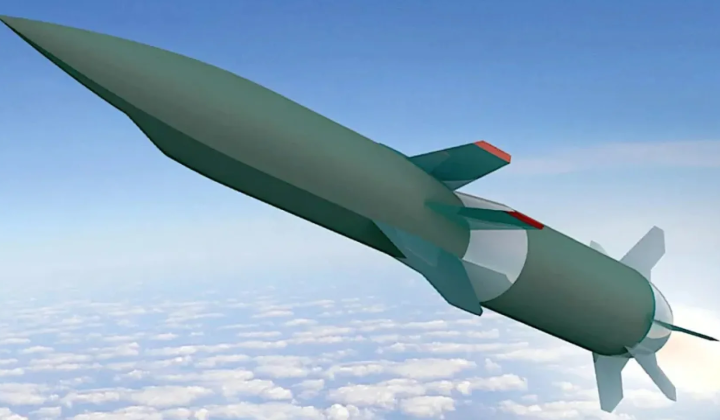
Progress in Testing the HACM Hypersonic Missile
According to НВ — Техно: On October 6, 2023, at 12:34 PM, the US Air Force announced reaching the flight test phase for the Hypersonic Attack Cruise Missile (HACM), equipped with a hydro-air ramjet engine. At least one missile launch took place at the Woomera test range in Australia, a site renowned for hypersonic weapons trials. Despite facing development delays, the US Air Force plans to make procurement decisions for HACM by 2027.
The HACM program is a collaborative effort between the US Air Force and the Royal Australian Air Force (RAAF), conducted under the Australia-US Southern Cross Integrated Flight Research Experiment (SCIFiRE). DARPA’s HAWC project has also contributed to the missile’s development. Since 2022, Raytheon (RTX) and Northrop Grumman have been leading the design and production. Under the US military’s updated nomenclature system, HACM is designated as AHM-4A.
HACM’s Technical Profile
The missile features a two-stage design, combining a solid-fuel booster with a hypersonic air-breathing ramjet-powered second stage. It is engineered to travel approximately 500 kilometers at speeds near Mach 7, or about 8,576 kilometers per hour. The Woomera range offers ideal conditions for such advanced testing, although no official images of the HACM have been released by the US Air Force or Raytheon.
In parallel, the US Navy has commissioned the development of the hypersonic Blackbeard weapon by Castelion, with a budget allocation of $89.99 million. The production of Blackbeard is slated for completion by August 2028, with an initial order of 50 units currently underway. Manufacturing will take place in Torrance, California.
“The US Air Force, in partnership with Australia, has successfully conducted flight tests of the HACM hypersonic attack cruise missile as part of our ongoing efforts to enhance long-range strike capabilities,” stated a US Air Force spokesperson.
The main contributors to the HACM program include:
- US Air Force
- Royal Australian Air Force
- DARPA
- Raytheon (RTX)
- Northrop Grumman
Key technologies incorporated in the missile’s design are:
- Two-stage architecture
- Solid-fuel booster stage
- Hypersonic air-breathing ramjet engine
- Operational range of 500 km
- Speed reaching Mach 7
The development of HACM marks a significant milestone in advancing hypersonic capabilities for both the US and Australia, underscoring their strategic defense partnership. Given escalating global tensions and emerging security challenges, innovations like HACM have the potential to reshape regional military balances. While development delays raise concerns, the recent successful tests highlight steady progress and the commitment of both nations to pioneering cutting-edge defense technologies.
The advancements in hypersonic technology are not limited to the US Air Force. Recently, France's DGA has commissioned the ASN4G hypersonic missile, showcasing a growing global interest in these cutting-edge weapons. This development highlights the competitive landscape of hypersonic missile capabilities, emphasizing the need for nations to enhance their defense technologies in response to evolving threats.

Read also