Tooth Loss Linked to a 7.2% Increased Dementia Risk: Insights from a Nine-Year Japanese Study

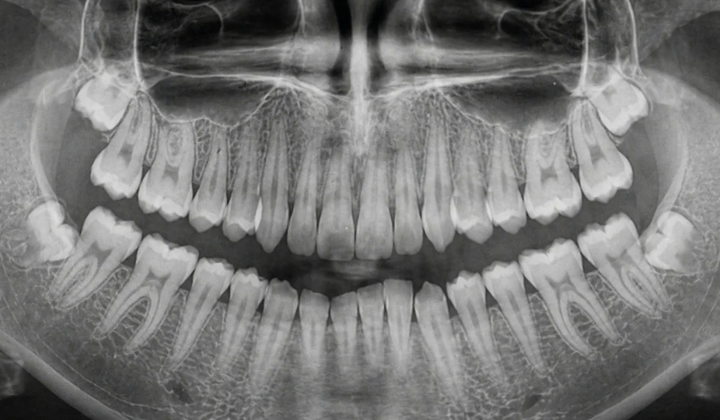
Unexpected Discovery: Japanese Research Connects Tooth Loss with Elevated Dementia Risk
According to НВ — Техно: A comprehensive nine-year investigation in Japan involving over 47,000 individuals aged 65 and older has revealed a clear association between tooth loss and a heightened risk of developing dementia. The study demonstrated that as the number of remaining teeth decreases, the likelihood of dementia rises. Tooth loss accounts for 7.2% of dementia cases, ranking it as the third most significant risk factor after depression and social isolation.
Study Details and Key Findings
Conducted between 2013 and 2022, this large-scale study enrolled 47,293 participants as part of the Japanese Gerontological Evaluation Study (JAGES). Dementia was diagnosed in 8,247 individuals, representing 17.4% of the cohort. Those with 10 to 19 teeth had a 14% greater risk of dementia compared to those retaining at least 20 teeth. Participants with only 1 to 9 teeth had a 12% increased risk, while individuals without any teeth faced the highest risk, elevated by 27%.
Tooth loss contributed to 7.2% of dementia cases, placing it behind depression (10.5%) and social isolation (9.4%) as a leading risk factor. The impact differed by gender, affecting 12% of men and 6.1% of women. The study also highlighted that losing teeth may impair chewing ability, which can negatively influence nutritional intake. Additionally, tooth loss is linked to social withdrawal and inflammation in the mouth.
Although these findings underscore a strong association, the study does not establish a direct cause-and-effect relationship between tooth loss and dementia. Some data were self-reported by participants, which could affect accuracy. The research was published in the Journal of the American Medical Directors Association, emphasizing its relevance to the medical community.
"These findings emphasize the critical role of maintaining oral health in older adults, as tooth loss can significantly impact overall health, including increasing the risk of neurodegenerative conditions." - Source: Journal of the American Medical Directors Association
The study further calls for deeper exploration into the mechanisms linking tooth loss and dementia, and highlights the importance of preventive strategies to preserve dental health and improve quality of life among the elderly.
Maintaining good oral hygiene and regular dental care is increasingly recognized as an essential component of healthy aging, especially given its potential influence on cognitive health.
In addition to the findings on tooth loss and dementia, recent research has also revealed a surprising connection between excess body weight and lower mortality risk in dementia patients. This study indicates that individuals with higher body weight may experience a 16-27% reduction in death rates, suggesting that weight management could play a crucial role in the health outcomes of those with cognitive decline. To explore these intriguing insights, read more about the correlation between weight and dementia mortality risk.

Read also