Starting Late 2026, ETIAS Authorization Will Be Required for Visa-Free Travel to the EU at a Cost of 20 Euros

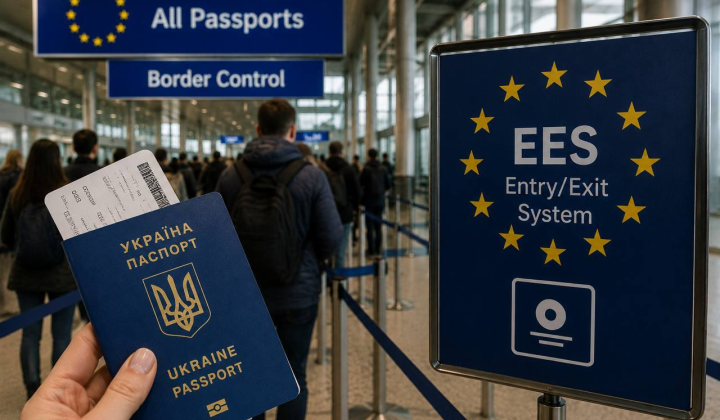
Updated Entry Requirements for EU Countries
According to Radiotrek — Світ: From the end of 2026, Ukrainian travelers will no longer be able to rely solely on their passports for visa-free access to European Union countries. Instead, they must obtain an ETIAS travel authorization in addition to a valid passport. This new rule introduces a mandatory, paid permit system that travelers need to secure before entering the EU.
ETIAS Fees and Validity Period
The application fee for ETIAS will be 20 euros (approximately 1000 UAH). Travelers can complete the application and payment process online, but applications will only be processed after the fee has been paid. It is important to note that earlier reports suggested a 7-euro fee, but the actual cost is set at 20 euros.
- The ETIAS authorization will remain valid for up to three years or until the expiration of the traveler’s passport, whichever comes first.
- This permit will allow multiple entries to countries participating in the ETIAS system during its validity.
- The fee is non-refundable, even if the application is denied or contains errors, meaning a new fee must be paid for reapplication.
These new ETIAS entry requirements could significantly affect travel plans for Ukrainians, introducing extra expenses and requiring careful completion of application forms. The introduction of this paid authorization system reflects broader EU efforts to enhance security and border management. This change might also influence the flow of tourists, especially those making frequent trips to Europe. Observing how Ukrainian travelers adapt to these requirements will offer insight into future tourism dynamics between Ukraine and the European Union.
As travel regulations evolve, it's essential for Ukrainians to stay informed about changes not only in Europe but also in other popular destinations. For instance, recently, the duration of visa-free stays in Thailand has been shortened to 30 days, highlighting the shifting landscape of travel permissions. Understanding these updates can help travelers better plan their trips and avoid unexpected challenges.

Read also