Iran's Leadership Shaken: New Figures Emerge Following Israeli Strikes

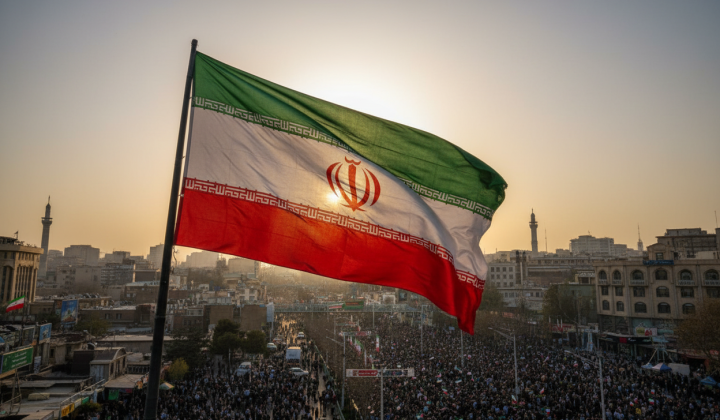
Shakeup in Iran's Leadership
According to Главком: Following a series of strikes, Iran's Supreme Leader Ali Khamenei was killed, along with part of the country's military command. His son, Mojtaba Khamenei, was subsequently appointed as the new national leader by the Islamic Revolutionary Guard Corps (IRGC). Mojtaba Khamenei, who is already being called a 'janbaz' (self-sacrificer) due to injuries sustained during the attacks, survived a missile strike on his bunker because he was outside the structure at the time. This transition has significantly increased the political influence of the powerful IRGC military formation.
Ali Khamenei, who held absolute power since 1989, left a complex legacy. Among the other casualties of the Israeli airstrike was Ali Larijani, the Secretary of Iran's Supreme National Security Council. Israeli Defense Minister Israel Katz confirmed the operation, stating the strikes occurred on the night of March 17, with the IDF acknowledging its role.
Key Figures in the New Hierarchy
Several key individuals now hold pivotal roles in Iran's new power structure:
- Ahmad Vahidi, the newly appointed head of the IRGC, brings experience as a former defense minister and ex-commander of the Quds Force. He was appointed after the deaths of two predecessors.
- Esmail Qaani, commander of the Quds Force, has managed Iran's network of proxy forces across the region since 2020.
- Alireza Tangsiri, commander of the IRGC Navy, is responsible for the strategic goal of potentially closing the Strait of Hormuz.
Other significant figures in the new order include:
- Mohammad Bagher Ghalibaf, the Parliament Speaker, is considered the most influential political heavyweight. Reports suggest he is engaged in back-channel negotiations with the US regarding the conflict's trajectory.
- Masoud Pezeshkian, the President, holds a largely ceremonial role with limited influence due to the overarching power of the IRGC.
- Abbas Araghchi, the Foreign Minister, manages diplomatic communications with Russia, China, and Western nations amid the ongoing war.
- Gholamhossein Mohseni-Eje'i, head of the judiciary, represents a hardline faction.
- Saeed Jalili acts as an uncompromising politician in nuclear negotiations.
- Alireza Arafi is an influential member of the Guardian Council, which is part of the country's interim governing body.
Iran is thus navigating a period of profound leadership change, marked by the rising clout of military institutions and fresh challenges on the international stage. This sudden transition occurs against a backdrop of heightened regional tensions, where the new leadership's decisions will critically shape Iran's foreign policy and its relations with the US and its allies, potentially leading to further escalation or a search for new diplomatic avenues.
The recent upheaval in Iran's leadership has prompted significant changes within the political landscape, particularly with the appointment of Mojtaba Khamenei as the new Supreme Leader. This transition not only marks a shift in power dynamics but also raises questions about the future direction of Iran's domestic and foreign policies amid escalating tensions in the region.

Read also