Western Powers Split Into Three Camps Over How to Approach Putin: Business Ties, Dialogue, or Refusal to Negotiate

Western Perspectives on Vladimir Putin
According to ХВИЛЯ: The Western world is divided into three distinct groups regarding their stance toward Vladimir Putin, reflecting a wide range of views on how to handle future relations with Russia. One faction, led by Steve Witkoff and Jared Kushner, advocates for Ukraine making territorial concessions in exchange for peace. This approach has faced criticism, notably from Danish Prime Minister Mette Frederiksen, who expressed deep skepticism toward the Finland-Norway initiative.
Positions of the Three Camps
- Group One: Supports territorial compromises by Ukraine to secure peace.
- Group Two: Represented by Finnish President Sauli Niinistö and Norwegian Prime Minister Jonas Gahr Støre, who intend to defer leadership to Germany, France, the UK, the EU, and possibly Italy.
- Group Three: Predominantly found in the Baltic states and Poland, firmly opposing any negotiations with Putin.
Currently, preliminary peace talks are underway in Abu Dhabi involving Russia, Ukraine, and the United States. Niinistö and Støre held a 90-minute phone conversation with Putin last week, discussing confidence-building measures such as localized ceasefires, protection of energy infrastructure, food supplies, and prisoner exchanges. Putin indicated his willingness to meet with Ukrainian President Zelensky if a near-final agreement is reached.
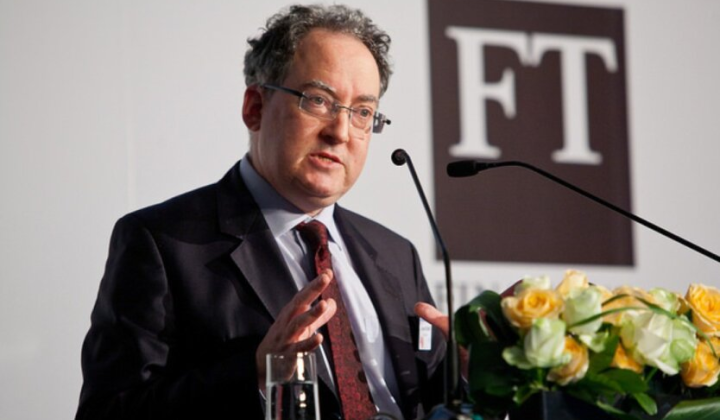
"The Trump administration's belief that Russia can be coaxed into a peace deal with promises of economic incentives fundamentally misunderstands Putin's motives." Gideon Rachman, Financial Times
Rachman notes, "Peace in Ukraine would be a wonderful outcome, but it appears to be a distant prospect." He emphasizes that Putin "did not invade Ukraine for economic reasons" and aims to "break Ukraine this winter by targeting its energy grid and much of its industrial base." According to Rachman, Putin "overestimates Russia's battlefield gains and underestimates Ukraine's resilience."
Each of the three camps presents distinct arguments and visions for the future, yet all confront the harsh reality that achieving peace in Ukraine is an intricate challenge requiring careful consideration of numerous risks and factors.
The current divide surrounding peace negotiations and attitudes toward Vladimir Putin highlights the complexity of international diplomacy and the diverse opinions among Western leaders. The ongoing preparations for talks in Abu Dhabi demonstrate efforts to find common ground, but the significant disagreements between nations may hinder progress. With military conflict ongoing, it remains crucial to balance political strategies with humanitarian concerns, as peace in the region continues to be a priority for many countries.
As the global response to Putin's actions continues to evolve, understanding the complexities of the situation is crucial. Recent developments highlight the tensions surrounding negotiations, particularly as Putin firmly rejects any compromises regarding the Donbas region. This backdrop sets the stage for the ongoing discussions and differing international perspectives on achieving a sustainable peace.

Read also