DNA Collection for Military Personnel: Legal Identification and Its Limits

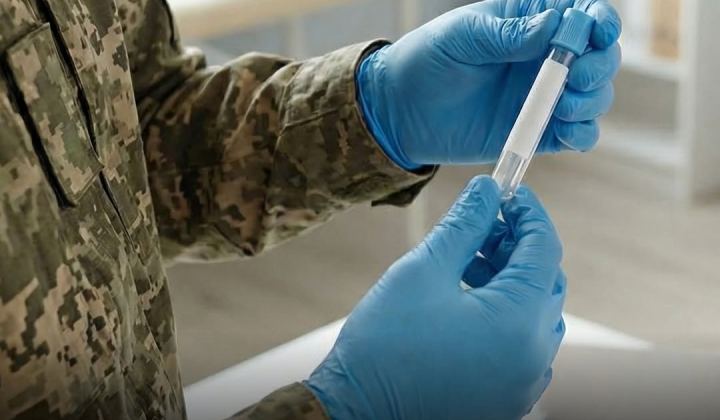
DNA Collection from Service Members During Wartime
According to Мін. Оборони: Under martial law, the collection of DNA from military personnel is a mandatory and legally sanctioned procedure. This critical process is conducted safely and in accordance with international standards. The DNA sample is taken for the specific purpose of identifying the deceased and those missing in action, a vital necessity in the context of war. This practice is a standard part of modern military logistics for casualty management.
It is important to note that these DNA samples cannot be analyzed to establish familial relationships or paternity. This strict limitation ensures the collected genetic information is used exclusively for identification, highlighting the commitment to ethical data handling principles even during conflict.
The Ethics of Wartime Data Collection
DNA collection during wartime serves a crucial role in upholding the rights and memory of the fallen, while also providing support to the families of the missing. The procedure helps build a database that will assist in identifying individuals in the event of their death or disappearance, a particularly pressing need during active hostilities. Such databases are instrumental for providing closure to families and for accurate historical record-keeping.
Adherence to ethical norms in gathering this sensitive data is paramount for maintaining public trust and ensuring the protection of human rights.

Read also