Alaska Landslide Triggers Record-Breaking 481-Meter Tsunami in Tracy Arm Fjord Amid Monitoring Gaps

Landslide Devastates Tracy Arm Fjord
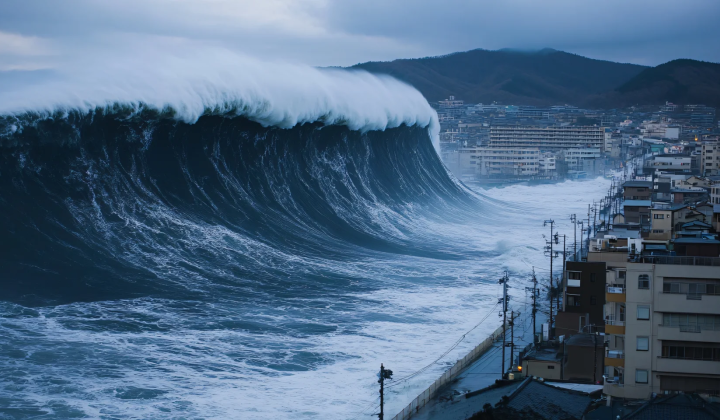
According to НВ — Техно: In August 2025, a massive landslide along the steep slopes of Alaska’s Tracy Arm fjord generated the second tallest tsunami ever recorded. On August 10, rock debris and water surged to an astonishing height of 481 meters above the fjord’s surface. This event occurred roughly 12 hours after the tourist vessel Hanse Explorer had departed from the nearby South Sawyer Glacier area. Fortunately, no other boats were present at the time, preventing casualties among visitors.
In the two months leading up to the disaster, the glacier had retreated over 500 meters, signaling potential instability. The region experienced intense ice calving and heavy rainfall, accompanied by thousands of minor seismic tremors in the days before the landslide. Researchers emphasize that while the scale of such a landslide can be evaluated within minutes of its onset, the United States currently lacks an adequate early warning system for events of this magnitude.
Calls for Enhanced Monitoring Systems
To mitigate future dangers, scientists recommend establishing a dedicated monitoring network capable of providing approximately 10 minutes of advance warning for people deeper within Tracy Arm fjord. Developing this system would necessitate collaboration among federal and local agencies, alongside expanded observation networks. Improvements in weather forecasting, glacier movement tracking, and seismic activity surveillance are also proposed to identify high-risk zones more effectively.
Similar hazards are present in Greenland and Norway, where retreating glaciers and shifting mountain slopes pose ongoing threats. To raise awareness and preparedness, experts suggest implementing a multi-tiered alert system:
- The first alert level would notify of rising risks, such as rapid glacier retreat and adverse weather conditions.
- The second level would signal imminent danger, marked by a sudden increase in seismic events preceding a collapse.
These strategies could play a crucial role in preventing future catastrophes.
This incident highlights the urgent need to upgrade natural hazard monitoring, especially in regions with significant seismic activity and retreating glaciers.
Given the serious threats posed by landslides and tsunamis, advancing early detection technologies is essential for safeguarding lives and reducing economic damage. Future efforts may include international cooperation to set standards and facilitate data sharing among countries confronting similar environmental challenges.

Read also