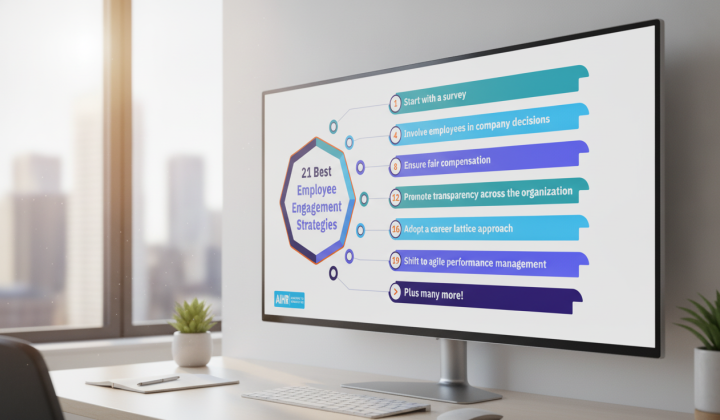
How to Boost Employee Engagement: 21 Proven Strategies to Inspire Motivation and Retain Your Workforce

Current Challenges in Employee Engagement Worldwide
According to AIHR: Employee engagement has become a critical concern for organizations globally, with participation rates plummeting to just 20%-the lowest since 2020. Alarmingly, 16% of the global workforce is actively disengaged from their roles. North America leads the way with the highest engagement levels at 31%, while Europe trails behind at a mere 12%. Within Europe, countries like France (8%), Spain (10%), and the UK (10%) report especially low engagement rates. Understanding these figures is essential for companies seeking to improve workforce productivity and satisfaction in a highly competitive market.
Effective Approaches for Increasing Employee Engagement
Organizations can adopt a variety of tactics to enhance motivation, satisfaction, and retention among their employees:
- Granting employees autonomy at work boosts their job satisfaction by 12%.
- Structured mentorship programs play a key role in improving engagement and retention.
- Among mentors and mentees, 87% report increased confidence thanks to mentorship.
- Employees who feel their opinions matter are 4.6 times more likely to feel empowered to perform at their best.
Encouraging internal mobility also proves highly effective, with employees staying 41% longer at companies that regularly promote from within. Recognition is another critical factor: those who feel appreciated are 56% less likely to seek new opportunities and exhibit four times higher engagement. Furthermore, a positive onboarding experience dramatically impacts engagement, making employees 18 times more engaged.
Interestingly, 55% of workers believe annual performance reviews do little to improve their work, and 9 out of 10 managers are dissatisfied with traditional appraisal methods. In contrast, 74% of employees perform better and are more engaged when they feel genuinely heard. Reflecting this trend, over 85% of Fortune 500 companies utilize 360-degree feedback to develop leadership, highlighting the growing importance of inclusive communication.
Offboarding processes are often overlooked but vital: nearly 40% of employees would consider returning to a previous employer if their exit experience was positive. Yet, 71% of organizations lack a formal offboarding strategy. Moreover, only 26% of American workers feel their input is valued at work, underscoring the need for cultural shifts toward employee voice.
As Annette Franz notes, "Employee engagement cannot be treated as a strategy because it originates from within the employee."
In summary, deploying targeted employee engagement strategies-such as mentorship programs, internal career growth, recognition initiatives, and transparent communication-can significantly uplift productivity and foster a healthy workplace environment. The declining engagement levels signal a pressing need for companies to rethink their people management approaches. Adopting these modern practices not only enhances morale but also drives performance, a vital advantage in today’s fast-paced economy. Listening to employees and addressing their needs remains fundamental to building a motivated and committed workforce.

Read also