Scientific Fraud Exposed: AI Fails to Identify Blood Types from Fingerprints

Scientific Fraud Uncovered
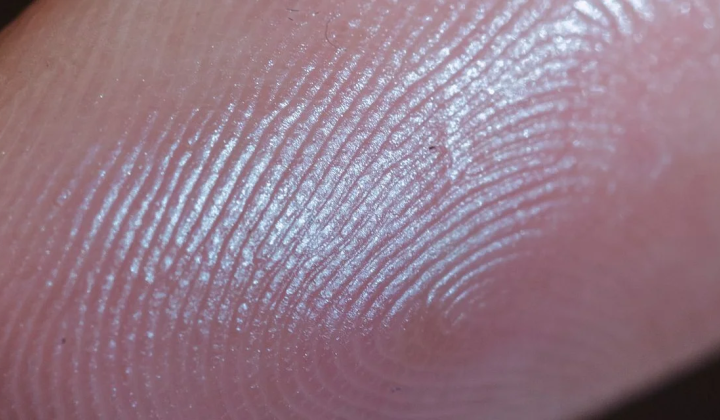
According to НВ — Техно: Researchers have uncovered fraudulent practices in studies claiming that artificial intelligence can determine a person’s blood type solely from their fingerprints. More than ten scientific papers asserted this capability, but Australian scientists Lars Koiman and Stephanie Summersby exposed significant data manipulation involving the SOCOFing database.
The studies were based on a sample of 6,000 fingerprints from 600 individuals, sourced from the Kaggle platform. Crucially, this dataset contained no information about the participants’ blood groups, casting serious doubt on the validity of the research findings.
Response to the Fraud Discovery
One of the implicated articles was published in the Franklin Open journal. Following the exposure of data falsification, major publishers Elsevier and the Institute of Electrical and Electronics Engineers (IEEE) launched formal investigations into these questionable publications. Consequently, the unreliable dataset was removed from public access.
An independent medical study involving 224 volunteers further confirmed there is no correlation between fingerprint patterns and blood type. The Franklin Open authors acknowledged the controversy, stating:
“We used a questionable database but acted in good faith, unaware of any data fabrication.”
This incident highlights the critical need for rigorous verification of data authenticity and source integrity in scientific research, especially when incorporating cutting-edge technologies like AI.
The uncovered deception threatens trust in AI-driven scientific studies, particularly in medical fields. This scandal may prompt research institutions and publishers to implement stricter oversight of data quality and research methodologies to prevent similar breaches in the future. Ensuring transparency and reliability of scientific results remains paramount, especially in sensitive areas such as healthcare.
As AI continues to advance, maintaining ethical standards and data accuracy is essential to uphold confidence in its applications across various disciplines.

Read also