Why 80% of Ukraine’s Apartment Buildings Are Missing Key Energy Efficiency Opportunities Without Homeowner Associations

Current Situation of Homeowner Associations in Ukraine
According to Рубрика — Суспільство: In Ukraine, nearly 80% of multi-apartment buildings lack homeowner associations (HOAs), known locally as ОСББ, which significantly limits residents’ ability to participate in government-supported energy efficiency initiatives. Without these associations, residents face major challenges when trying to implement energy-saving upgrades in their buildings. This information comes from the media network "Window of Recovery," citing research by the NGO "Ecodia."
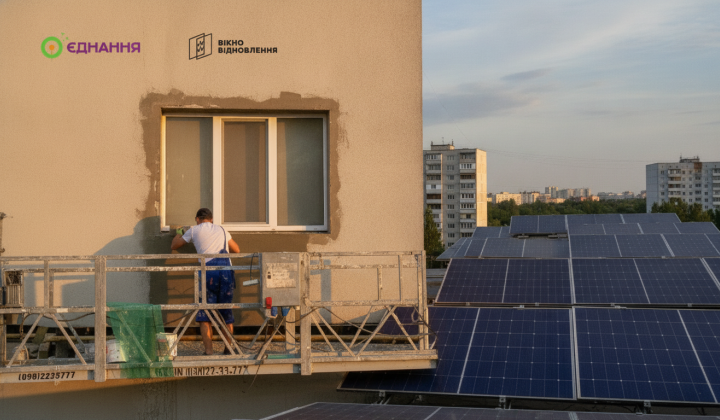
Since apartment buildings are collectively owned by residents, any decision to improve the facade insulation, upgrade heating systems, or install solar panels requires agreement among co-owners. Forming an ОСББ or a housing cooperative is a crucial step because these entities are recognized legal bodies capable of applying for funding, signing contracts, and overseeing project execution. Through ОСББ, buildings can access programs supported by the Energy Efficiency Fund, including initiatives like "Enerhodim" and "GreenDim."
The Benefits of Energy Modernization
It is important to note that simply establishing an ОСББ does not guarantee a building becomes energy efficient. The recommended first step is conducting a comprehensive energy audit of the entire building. This audit identifies major energy losses, modernization needs, and helps prioritize the necessary improvements. It also enables residents to effectively plan the renovation process and secure appropriate financing.
Therefore, boosting the formation of ОСББ and carrying out energy audits are essential measures for successfully advancing energy efficiency projects in Ukraine’s apartment buildings.
Creating homeowner associations is vital for driving energy modernization efforts in Ukraine. These organizations not only provide access to government funding but also ensure collective responsibility in making decisions that improve residents’ living conditions.

Read also