Trump Administration Reverses New Russia Sanctions to Ease Fuel Costs Ahead of Midterms

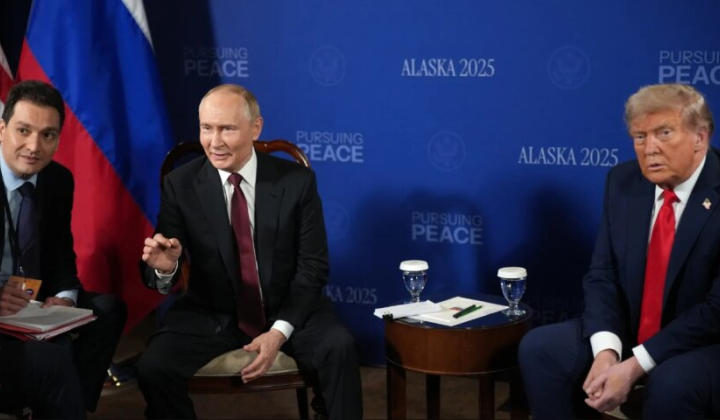
Trump Administration Reverses Recent Sanctions Imposed on Russia
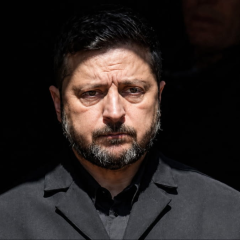
According to ХВИЛЯ: In a controversial move, the Trump administration overturned recently enacted sanctions against Russia, which had been approved by the US Congress just last month. This rollback included removing Russia from the scope of the Graham law and lifting restrictions on Russian diesel exports. The decision came as part of efforts to reduce fuel prices in the United States ahead of the midterm elections scheduled for two weeks later. The reversal drew sharp criticism from Ukrainian President Volodymyr Zelensky and some Republican lawmakers, who argued that it ultimately benefits Russia.
The White House issued an executive order annulling the previously imposed sanctions. At the time of this decision, the average price of a gallon of gasoline in the US stood at $4.31, marking a 45% increase since the onset of the war in Ukraine. Ukrainian officials condemned the move, with President Zelensky stating:
“I want to thank both Democrats and Republicans who supported this bill. It was a significant bipartisan achievement. Now, to cancel and block all of it seems mistaken to me. And it certainly only helps the Russians.”
Responses to the Trump Administration’s Decision
Texas Senator John Cornyn called on Congress to investigate whether Trump’s actions aided Putin, while North Carolina Senator Thom Tillis labeled the decision as 'worse than irresponsible.' Tillis emphasized, 'It is unacceptable for this administration to capitulate to a Russian dictator who illegally invaded Ukraine and brutally kills innocent civilians daily.'
The Graham law grants the president broad authority to suspend sanctions if a letter is sent to Congress explaining that the sanctions are not in the national interest. While the Biden administration has imposed over a thousand sanctions targeting Russian entities, the Trump administration focused sanctions primarily on companies like Lukoil and Rosneft. Treasury Secretary Scott Bessent previously remarked that Biden’s sanctions were still insufficient and described Russia’s invasion of Ukraine as one of the greatest tragedies of his adult life.
Kirill Dmitriev, Putin’s special envoy, called the suspension of some provisions of the Graham law a historic milestone. Meanwhile, commentators suggest that Trump likely feared that stricter sanctions would drive US energy prices even higher during the election season. As Adam Smith noted, 'Presidents have always resisted congressional mandates in one way or another.'
The rollback of sanctions sparked a wide range of reactions, highlighting the tension between US domestic politics and international commitments, especially amid the ongoing conflict in Ukraine. This decision underscores the challenging balancing act between maintaining affordable energy prices at home and responding firmly to Russian aggression abroad. How Congress proceeds next could determine whether a tougher sanctions regime against Moscow will be reinstated.
As the Trump administration's decision to lift sanctions against Russia continues to spark debate, lawmakers in the US are pushing for measures to counteract such moves. A recent proposal aims to block diesel agreements with Russia and tighten sanctions, highlighting the ongoing tensions and differing approaches to foreign policy within Congress.

Read also