Why the Trump Administration Rejected a Plan to Seize Iranian Oil Tankers

Discussions Over a Tanker Seizure Plan
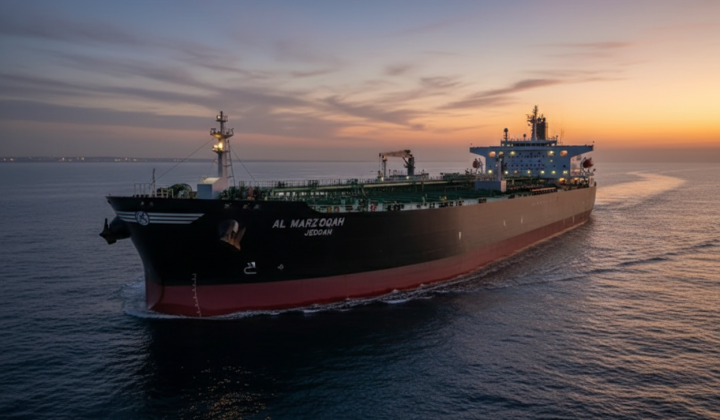
According to Главком: The administration of U.S. President Donald Trump considered but ultimately rejected a plan to seize tankers carrying Iranian oil. This decision was driven by fears of a potential retaliatory strike from Iran and the consequences for global oil markets. In the scenario under review, the U.S. Treasury Department had already sanctioned more than 20 such vessels, which could lead to their detention. This episode highlights the complex calculus involved in pressuring Iran, a nation with significant capacity to disrupt vital maritime chokepoints.
Risks and Consequences of Military Action
The White House examined several options to increase pressure on Tehran, including the tanker seizure scenario. The primary goal was to force Iran into an agreement limiting its nuclear program. However, this plan was contentious due to the risks of military escalation. Iran could have responded by seizing tankers from U.S. allies or by mining the Strait of Hormuz, a passage for up to 25% of the world's oil shipments.
An escalation of the conflict could have triggered a sharp rise in energy prices, creating political problems for the White House. Executing the tanker seizure plan would have required significant resources, including redirecting personnel and likely other vessels to escort the oil to storage. A White House representative noted that Trump prefers a diplomatic resolution, though the administration retains various options should negotiations fail.
The rejection of the seizure plan suggests the Trump administration sought to avoid a military escalation that could threaten not only American interests but also global market stability. Diplomatic efforts regarding Iran will remain central to U.S. foreign policy, as the regional situation remains tense and alternatives like new sanctions may not achieve desired results without military action. This creates a complex dilemma for Washington, which must weigh both domestic and international repercussions of its decisions.

Read also