Trump Administration’s Support for Pro-Russian and Far-Right Parties Shaped European Politics

How the Trump Era Influenced European Political Dynamics
According to ХВИЛЯ: During Donald Trump’s presidency, his administration actively sought to shape the political landscape of allied European nations by backing parties aligned with the MAGA movement, including those with pro-Russian tendencies. This strategy involved urging European leaders to reconsider their coalition partners. For instance, in March 2023, the U.S. ambassador to Greece, Kimberly Guilfoyle, hinted at the potential collapse of Romania’s ruling coalition during a dinner event. Guilfoyle later resigned amid controversy over soliciting a $100,000 donation from a Republican Party donor.
In Poland, Trump attempted to persuade Defense Minister Władysław Kosiniak-Kamysz to abandon his coalition and collaborate with nationalist factions. Nevertheless, Kosiniak-Kamysz rejected this advice in 2023. Trump also threw his support behind far-right presidential candidate Karol Nawrocki in 2022. Meanwhile, Romania’s Prime Minister Ilie Bolojan supported the development of a gas corridor but resisted binding the country to an American liquefied natural gas contract. Following the exit of social democrats from the coalition, far-right parties backed a no-confidence vote against Bolojan, leading to his resignation. Romanian far-right leader George Simion, who considers himself a close ally of Guilfoyle, has advocated for restoring Romania’s 1940 borders, including territories currently within Ukraine.
Developments in Germany and Expert Insights
Germany’s government, led by the conservative CDU in partnership with the Social Democrats, also experienced interference from the Trump administration, which supported the pro-Russian party Alternative for Germany (AfD) while limiting engagement with other coalition members. In 2023, although a delegation of German parliamentarians from various parties visited Washington, only AfD and CDU members were granted access to meetings at the Pentagon and the State Department. U.S. Deputy Defense Secretary Elbridge Colby urged NATO allies in mid-2023 to take greater responsibility for Europe’s conventional defense. AfD co-leader Alice Weidel opposes military aid to Ukraine and broader European defense cooperation, while co-chair Tino Chrupalla has called for the withdrawal of American troops from Germany.
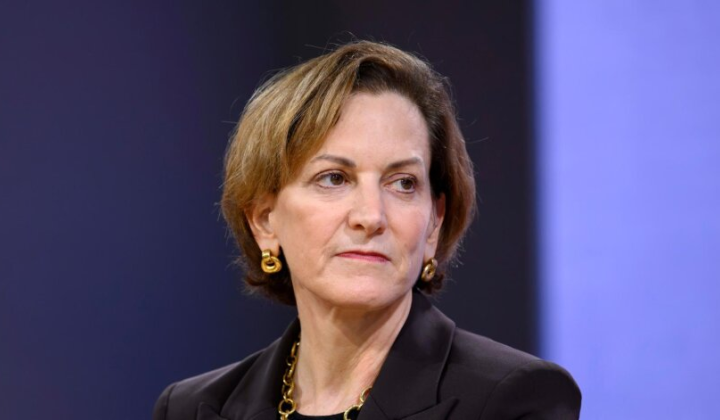
American journalist and historian Anne Applebaum remarked that Trump’s approach in Europe marked a departure from the traditional U.S. role as a champion of democracy.
Applebaum expressed concern that Trump’s interventions resemble Cold War-era Soviet interference in Polish leadership decisions. She highlighted the contradiction of the administration promoting European rearmament and defense collaboration while simultaneously backing politicians who oppose these efforts. Polish far-right groups have echoed anti-European Union and anti-Ukrainian narratives prevalent in both Washington and Moscow.
The Trump administration’s involvement in European affairs carries significant implications for regional stability. By empowering far-right and pro-Russian factions, it risks reshaping established alliances and heightening security concerns across Europe. These developments may also strain U.S.-Europe relations amid pressing global challenges such as security threats and energy dependence. Monitoring these evolving dynamics remains crucial for understanding America’s future policy direction in Europe.
The influence of the Trump administration extended beyond Eastern Europe, impacting Germany's political landscape as well. By supporting parties like the Alternative for Germany (AfD), Trump's approach raised questions about the future of European unity and security. For a deeper understanding of how these shifts could change the dynamics of the ongoing conflict in Ukraine, explore our analysis on the implications of Trump's sanctions reversal.

Read also