Occupied Alchevsk Faces Humanitarian Catastrophe as Residents Freeze in Their Own Homes

Alchevsk on the Brink of Humanitarian Disaster
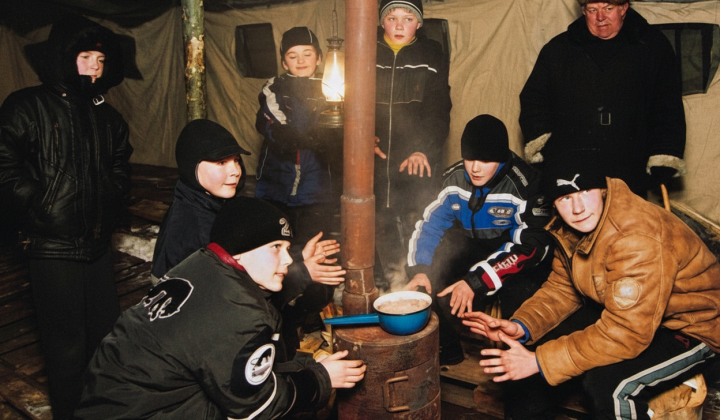
According to Главком: The city of Alchevsk in the Luhansk region, under temporary Russian military occupation since 2014, is facing a humanitarian catastrophe due to a lack of heating during a severe cold snap. Indoor temperatures in residents' apartments have plummeted to a mere 11-14 degrees Celsius, creating life-threatening conditions this winter. This crisis highlights the severe infrastructural decay in occupied territories, where essential services have been neglected for years.
The current situation in Alchevsk is reminiscent of events in 2006, when a heating main ruptured on the night of January 21-22. At that time, with outside temperatures reaching -20 degrees Celsius, over 100,000 homes were left without heat. Repair work lasted more than a month, and now, the city's inhabitants are once again witnessing the horrific consequences of being left in the cold.
Residents Endure Hardships Today
Today's residents of Alchevsk are enduring all the hardships associated with the absence of heating.
"Repair crews cannot keep up with fixing the breakdowns," notes one city resident.
Another resident adds: "Our building, like all the others in the city, is practically unheated." These testimonies confirm that the situation in the city requires an urgent response to prevent an even greater humanitarian crisis. The plight of civilians in such occupied zones often remains underreported in international media.
The situation in Alchevsk reflects broader problems faced by territories under occupation, where infrastructure and social services are often on the verge of collapse. In winter conditions, when temperatures can drop to critical lows, the lack of heating not only poses a direct danger to residents' health but also underscores the urgent need for international humanitarian aid and intervention to improve living conditions in the region.

Read also