Why Facing Forward on a Japanese Toilet Makes Perfect Sense

The Curious Toilet Position That Makes Perfect Sense in Japan
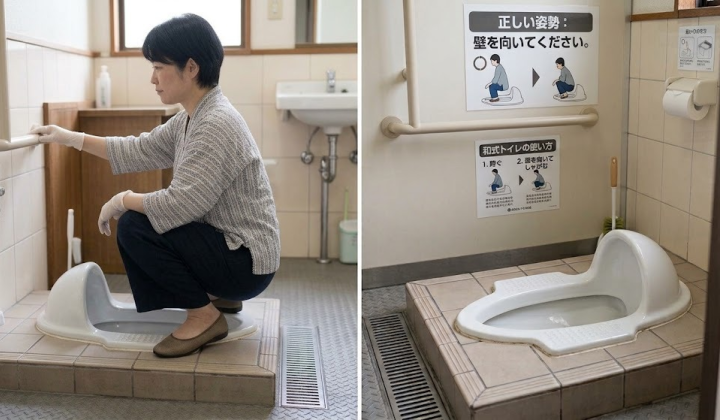
According to Radiotrek — Світ: Radio Track's article explains why traditional Japanese floor toilets-called washiki-are designed to be used while facing the raised front of the bowl. It also covers the hygiene advantage of not touching a seat, the debut of TOTO's Washlet in 1980, and Japan's cultural focus on cleanliness. For visitors used to Western seated toilets, this forward-facing position can look odd, but it follows naturally from the toilet's shape.
Tradition Meets Modern Convenience
The washiki is a toilet bowl built into the floor; the user squats over it rather than sitting down. To use it correctly, you stand facing the front raised end of the fixture. These traditional toilets can still be found in older public bathrooms, train stations, traditional venues, and some rural communities. In contemporary Japanese houses and hotels, Western-style toilets are now the standard choice.
Because the washiki requires squatting, there is no body contact with a seat at all-a clear hygienic plus. In 1980, TOTO launched the Washlet, a seat with an integrated bidet system. Features include:
- heated seat
- adjustable water temperature and pressure
- air drying
- automatic lid opening
- deodorizing function
- sound masking
The Japan National Tourism Organization notes that children in Japan are taught from a young age to keep toilets and shared spaces clean as a way of respecting the next user. Public restrooms in the country also feature a wide range of accessibility and convenience options. According to a recent research review, the effects of squatting depend on the person: it may ease bowel movements, but it can also put strain on joints.
Thus, the washiki tradition combines cultural meaning with practical design, setting it apart from typical Western toilet habits.
Ultimately, the washiki reflects deep-rooted values of cleanliness, respect, and mutual responsibility in daily life. At the same time, the growing popularity of high-tech toilets such as the Washlet shows how Japanese customs are blending with innovation-demonstrating both continuity and adaptability.

Read also