Three Newly Uncovered Maya Plaster Sculptures Discovered at El Mirador, Guatemala in 2026

Fragile Treasures Resurfaced: Archaeologists Uncover Delicate Maya Sculptures in Guatemala
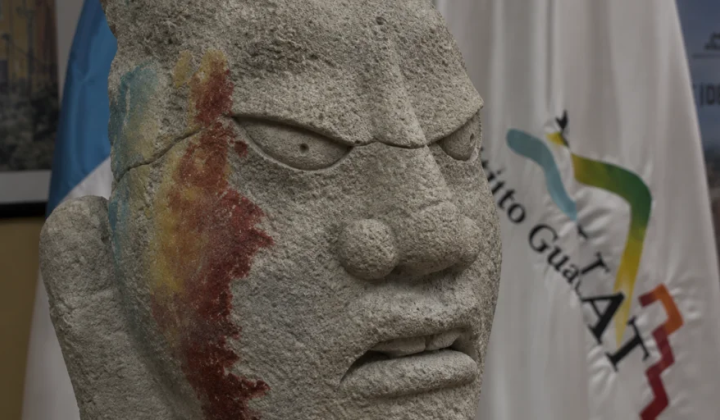
According to НВ — Техно: During 2026 excavations at the ancient city of El Mirador in Guatemala, archaeologists uncovered three previously unknown plaster sculptures crafted by the Maya civilization. These vibrant figures, depicting deities, mythological beings, and notable individuals, enrich the existing collection of artifacts from the site. The discoveries took place in the Petén region, specifically within a structure known as Edificio de los Rostros, which measures approximately 17 meters long, 10 meters wide, and 5 meters tall. The new sculptures were publicly unveiled in Guatemala on November 18, 2026.
Excavations at Edificio de los Rostros have revealed an extensive array of artifacts, including:
- Over 30 sculptural pieces;
- More than 35 ceramic vessels such as tecomates and bucullas, likely used for storing or offering liquids.
Researchers believe this building served ceremonial purposes related to ancestor worship or funerary rites. "Around three additional sculptures requiring restoration were discovered during the 2026 season," explained lead researcher Douglas Mauricio Martínez.
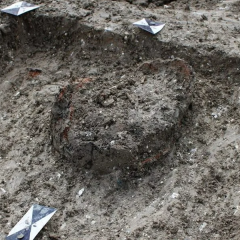
Restoration work on more than 20 sculpted heads has already been completed, with some now housed in Guatemala's National Museum of Archaeology and Ethnology. Investigations at El Mirador commenced in 2012, focusing on the Casa del Coral complex near the monumental La Danta site. It is important to note that recent looting activity disturbed soil, stones, and architectural elements at the excavation area, complicating the archaeologists’ efforts. The plaster sculptures are extremely fragile and must be carefully stabilized before cleaning.
Significance of the New Discoveries
During the Classic Period (250–900 CE), the Maya civilization placed great emphasis on mathematics and astronomy, which deeply influenced monument construction and the inauguration of rulers. Previous studies have decoded mathematical formulas found at the Kʼsultun site in Guatemala, revealing the name of a Maya astronomer for the first time. The latest findings at El Mirador contribute valuable insights into Maya cultural and religious traditions.
The discoveries highlight the crucial role of this region in understanding Maya beliefs and society. Beyond expanding the known artifact collection, they also underscore the challenges researchers face due to looter interference. The ongoing restoration and preservation efforts, including museum exhibitions, will support further study and public appreciation of the Maya legacy, benefiting both scholars and the broader audience interested in ancient Mesoamerican civilizations.
The recent discoveries at El Mirador not only highlight the intricate artistry of the Maya civilization but also draw intriguing parallels to other significant archaeological findings. For instance, an elite Maya burial in Belize has provided insights into ancestral connections through genetic analysis, further enriching our understanding of Maya society and its complexities. Exploring these connections can deepen our appreciation of the cultural heritage revealed by ongoing excavations.

Read also