1400-Year-Old Golden Buddhist Reliquary Unearthed in Vietnam to Be Displayed in Museum

Remarkable Archaeological Discovery in Vietnam
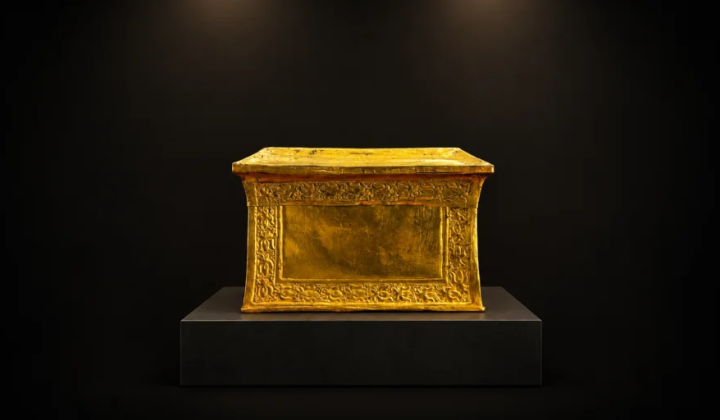
According to НВ — Техно: Archaeologists in Vietnam have uncovered a rare golden Buddhist reliquary dating back to the 7th–8th centuries. This precious artifact was found inside a bronze box, which itself was hidden within a hollow wooden pillar of the ancient Thap Nhan Buddhist tower located in Nghe An Province. The golden casket measures 8 cm long, 5 cm wide, and 5.5 cm high, weighing approximately 200 grams.
The lid of the golden container is crafted in the shape of a miniature roof, adorned with six-petaled floral motifs, while the body is wrapped in a band of stylized lotus flowers. Inside, archaeologists discovered two whitish sacred relics, along with ash and charred rice fragments. The lotus flower, a key Buddhist symbol, represents purity and spiritual awakening. This reliquary is the only gold casket of its kind for Buddhist relics found so far in Vietnam.
Thap Nhan Tower and Related Finds
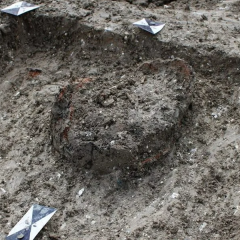
The Thap Nhan tower, where the reliquary was discovered, had long collapsed and was buried underground. The golden box is scheduled to be exhibited at the Nghe An-So Museum in Nghe An Province in November 2026. It is worth noting that in 2020, a 1400-year-old Han Dynasty tomb was found in Ha Tinh Province, Vietnam. This tomb, constructed from baked bricks in the shape of a boat, measures 4 meters long, 1 meter wide, and 1.2 meters high. It was uncovered 2 meters below the surface in Xuan Hong commune during canal construction and dates back to the Sun-Tan period of Chinese history.
These discoveries highlight Vietnam’s rich cultural heritage and underscore Buddhism's significant role in the nation’s history. The unearthing of this golden reliquary not only enriches understanding of Buddhist traditions but also demonstrates how archaeological efforts can reveal invaluable artifacts reflecting the spiritual practices of past civilizations. Displaying the relic in the Nghe An-So Museum will play a vital role in promoting Vietnam’s cultural legacy and drawing attention to the region’s archaeological treasures.
This remarkable discovery in Vietnam parallels other significant archaeological finds in the region, such as a 1,500-year-old clay figurine unearthed by Japanese archaeologists. Such artifacts not only reflect the rich cultural tapestry of ancient civilizations but also enhance our understanding of historical practices and beliefs in East Asia.

Read also