U.S. Aircraft Carrier Deploys to the Caribbean Following Charges Against Raúl Castro

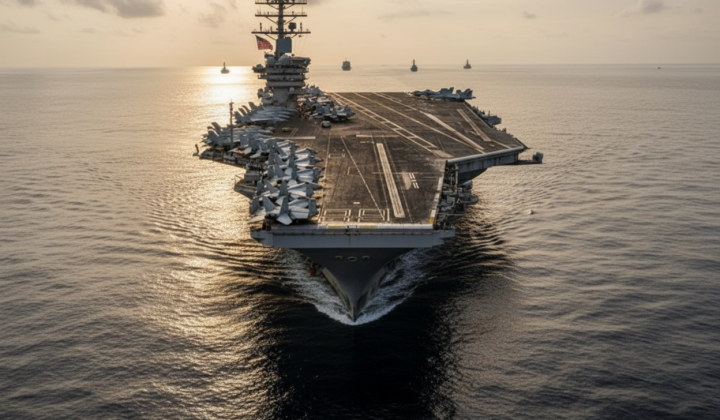
USS Nimitz Carrier Strike Group Arrives in the Caribbean
According to Главком: The American aircraft carrier USS Nimitz has entered the Caribbean Sea amid rising tensions with Cuba. On May 20, the U.S. military confirmed the arrival of the Nimitz carrier strike group, which includes:
- the aircraft carrier USS Nimitz (CVN 68)
- Carrier Air Wing 17 (CVW-17)
- USS Gridley (DDG 101)
- USNS Patuxent (T-AO 201)
This deployment underscores U.S. readiness and presence in the region, as well as its strategic advantage.
Raúl Castro Accused in 1996 Shootdown Case
The U.S. Federal Prosecutor’s Office has indicted former Cuban leader Raúl Castro for the destruction of civilian aircraft in 1996. The indictment alleges that the 94-year-old Castro orchestrated the killing and downing of two planes operated by the humanitarian organization 'Brothers to the Rescue,' which were carrying émigrés from Miami. Five other individuals are also named in the case, including three Cuban military pilots.
Cuban President Miguel Díaz-Canel has stated that his country has no aggressive intentions toward any nation. According to a statement from the U.S. Southern Command,
“the aircraft carrier USS Nimitz (CVN 68), embarked Carrier Air Wing 17 (CVW-17), USS Gridley (DDG 101), and USNS Patuxent (T-AO 201) embody readiness and presence, unmatched reach and lethality, and strategic advantage.”
They emphasized that
“the USS Nimitz has proven its combat prowess around the world, ensuring stability and defending democracy from the Taiwan Strait to the Persian Gulf.”
The arrival of the USS Nimitz and its strike group in the Caribbean highlights U.S. efforts to maintain a military footprint in the region, particularly as relations with Cuba grow more strained. The charges against Raúl Castro also reflect the long-standing historical tensions between the United States and Cuba, which have persisted for decades. These developments could significantly shape future political dynamics in the region and bilateral interactions, underscoring the importance of international security and stability in the Caribbean basin.
As tensions continue to escalate, the U.S. has ramped up its military presence in the region. This follows reports of increased intelligence activities near Cuba, highlighting the ongoing geopolitical complexities. For more insights into how these developments are affecting U.S.-Cuba relations, see our article on intelligence flights in response to threats.

Read also