Millions of Years Ago, Sweet Potato Naturally Acquired Genes from Soil Bacteria Agrobacterium

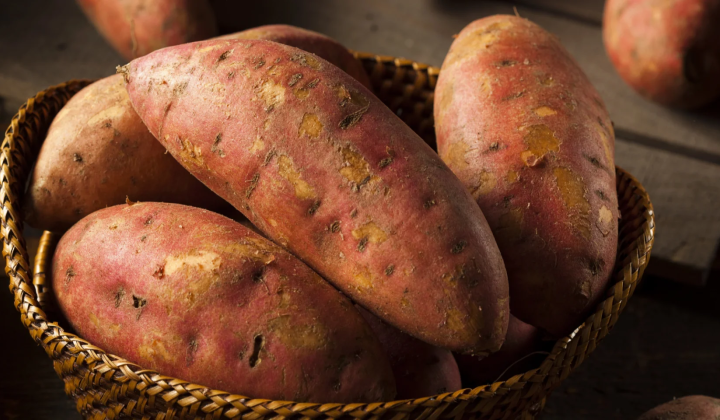
How Sweet Potato's DNA Was Altered Long Before Humans Existed
According to НВ — Техно: Research reveals that the sweet potato incorporated foreign genes from the soil bacterium Agrobacterium millions of years ago, predating the emergence of humans by a vast margin. These genetic modifications, identified in cultivated sweet potato varieties across multiple countries, appear to enhance the plant’s ability to adapt to its environment, resist diseases, and withstand temperature fluctuations. The presence of bacterial genes in over 2,600 plant species highlights the widespread occurrence of natural horizontal gene transfer in the plant kingdom.
Importantly, these bacterial DNA segments are active within the sweet potato’s genome and contribute to its biology. Such insertions are absent in wild relatives of the sweet potato. Agrobacterium transmits a specific DNA fragment known as T-DNA into plants, which can integrate into their genomes and be inherited by subsequent generations. This natural process inspired scientists in the late 1970s to develop genetically modified crops using similar mechanisms.
Key Studies and Their Findings
In October 2026, the journal Planta published a study demonstrating the beneficial role of bacterial genes in sweet potatoes. One identified gene enhances the plant’s capacity to tolerate temperature extremes, fight pathogens, and reduce oxidative cellular damage. Another study from 2025 uncovered two additional bacterial-origin genes involved in tissue growth and antioxidant production within sweet potatoes.
Further research released in August 2026 showed that natural genetic insertions from bacteria exist in more than 2,600 plant species, accounting for roughly 12% of all terrestrial plants. Foreign genes from Agrobacterium were also found in cranberries. To validate the function of these bacterial genes, scientists employed the model plant Arabidopsis thaliana in their experiments.
These discoveries open new avenues for understanding plant evolution and their environmental adaptability.
The detection of foreign bacterial genes in sweet potatoes and other plants carries significant implications for agriculture and biotechnology. It confirms that genetic alterations in plants can occur naturally, without human intervention. Gaining insight into horizontal gene transfer mechanisms will aid researchers in developing improved crop varieties that are more resilient to climate change and pests-a crucial step toward securing global food supplies amid mounting environmental challenges.

Read also